Imagine living in a home built entirely from nature—where tall grasses sway in the wind, forming both your walls and your roof. If you’ve ever wondered what type of home did the wichita tribe live in, you’re about to step into a fascinating world of ingenuity and survival.
The Wichita people, known for their resourcefulness, created homes that perfectly matched their environment. These weren’t just shelters—they were reflections of culture, climate, and community. Understanding what type of home did the wichita tribe live in helps us appreciate how humans adapt to nature in the most creative ways.
Today, this topic matters more than ever. As modern society shifts toward sustainability, the Wichita tribe’s housing techniques offer powerful lessons about living in harmony with the land.
The Wichita Tribe: A Brief Overview
The Wichita tribe was a Native American group primarily located in the Great Plains region of present-day Texas, Oklahoma, and Kansas. They were semi-sedentary, meaning they didn’t move constantly but adapted their lifestyle based on seasons and resources.
Their way of life combined farming, hunting, and trading. Because of this balanced lifestyle, their homes needed to be both stable and practical.
What Type of Home Did the Wichita Tribe Live In?
The Iconic Grass Houses
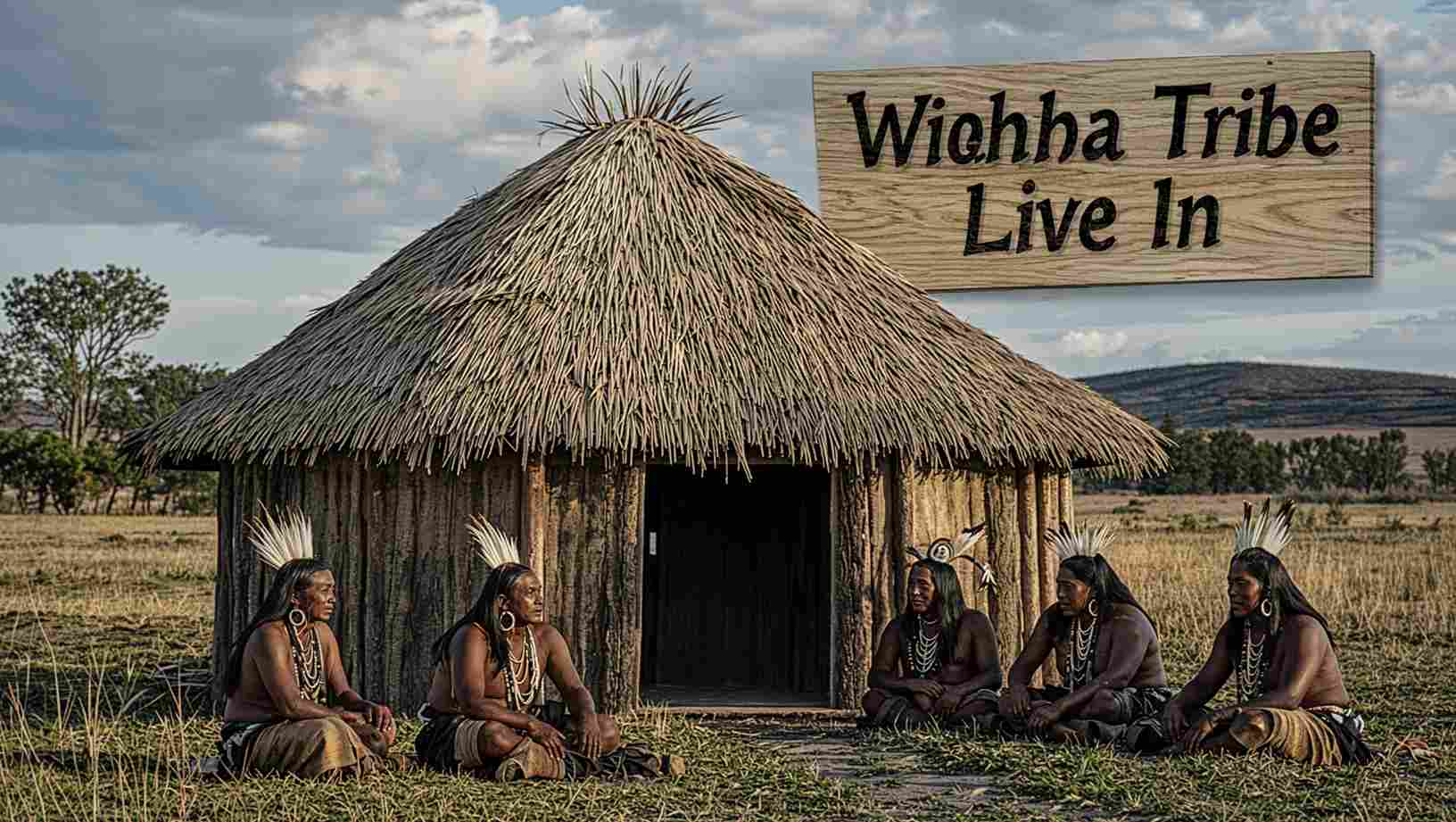
When asking what type of home did the wichita tribe live in, the answer is simple yet fascinating: grass houses, also known as grass lodges.
These structures were dome-shaped and built using a wooden framework covered with bundles of tall prairie grass. The design was both functional and beautiful.
Key Features of Wichita Grass Houses
- Dome-shaped structure for stability
- Wooden poles forming the skeleton
- Thick grass thatching for insulation
- Central fire pit for cooking and warmth
- Smoke hole at the top for ventilation
These homes were large enough to accommodate extended families, sometimes housing 10–15 people.
Why Grass Houses Were Perfect for the Plains
Understanding what type of home did the wichita tribe live in also means understanding why these homes worked so well.
Climate Adaptation
The Great Plains experience extreme weather—hot summers, cold winters, and strong winds. Grass houses provided:
- Natural insulation against heat and cold
- Wind resistance due to their rounded shape
- Ventilation through the smoke hole
Use of Local Materials
The Wichita didn’t rely on imported resources. Everything came from their surroundings:
- Prairie grass
- Tree branches
- Animal hides (occasionally)
This made construction efficient and sustainable.
How Wichita Grass Houses Were Built
Step-by-Step Construction Process
To truly grasp what type of home did the wichita tribe live in, it helps to look at how these homes were built:
- Framework Setup
Wooden poles were arranged in a circular pattern and bent inward to form a dome. - Securing the Structure
The poles were tied together at the top for stability. - Grass Thatching
Bundles of tall grass were layered from bottom to top, overlapping like shingles. - Entrance Creation
A small doorway was left open, often facing east. - Interior Setup
A fire pit was placed in the center, with sleeping areas around it.
Daily Life Inside a Wichita Home
Life inside these homes was communal and structured. Families shared responsibilities, and the home served multiple purposes.
Interior Layout
- Central fire pit for cooking and warmth
- Sleeping areas arranged along the walls
- Storage spaces for tools and food
Social Importance
These homes were more than shelters—they were centers of family life, storytelling, and tradition.
Comparing Wichita Homes to Other Native American Dwellings
To better understand what type of home did the wichita tribe live in, it helps to compare them with other tribes.
Tipis vs. Grass Houses
- Tipis (used by nomadic tribes) were portable
- Grass houses were permanent or semi-permanent
Longhouses vs. Grass Houses
- Longhouses (used by Eastern tribes) were rectangular
- Grass houses were dome-shaped
Each design reflected the tribe’s lifestyle and environment.
Seasonal Living and Mobility
Although grass houses were sturdy, the Wichita tribe adapted their living arrangements based on the season.
Summer Living
Grass houses were ideal for warm months due to their ventilation.
Hunting Seasons
During hunting trips, the Wichita might use temporary shelters like tipis.
This flexibility shows how what type of home did the wichita tribe live in wasn’t just about structure—it was about lifestyle.
Cultural Significance of Wichita Homes
Symbol of Identity
Grass houses represented more than practicality—they symbolized the Wichita way of life.
Community Building
Villages were often arranged in clusters, strengthening social bonds.
Materials Used in Wichita Homes
A closer look at materials helps answer what type of home did the wichita tribe live in in greater detail.
Natural Resources
- Tall prairie grasses
- Saplings and tree branches
- Animal products (limited use)
Sustainability Factor
These homes were eco-friendly long before modern sustainability trends.
Advantages of Wichita Grass Houses
- Excellent insulation
- Durable against wind
- Built from local materials
- Spacious interiors
- Environmentally sustainable
Challenges of Grass Houses
No structure is perfect, and even these homes had limitations:
- Vulnerable to fire
- Required maintenance
- Not easily portable
Despite these challenges, they were highly effective for the Wichita lifestyle.
FAQ Section
Frequently Asked Questions
What type of home did the wichita tribe live in?
The Wichita tribe lived in grass houses, dome-shaped structures made from wooden frames and covered with thick prairie grass.
How big were Wichita grass houses?
They were quite large, often accommodating extended families of up to 15 people.
Why did the Wichita use grass for their homes?
Grass was abundant in the Plains and provided excellent insulation and weather protection.
Were Wichita homes permanent?
They were semi-permanent, used mainly during farming seasons.
Did the Wichita use tipis?
Yes, but mostly during hunting trips when mobility was necessary.
How long did it take to build a grass house?
Construction could take several days, depending on size and available materials.
What was inside a Wichita home?
A central fire pit, sleeping areas, and storage spaces.
How did grass houses handle weather?
Their dome shape resisted wind, and thick grass provided insulation.
Conclusion
Exploring what type of home did the wichita tribe live in reveals a story of innovation, resilience, and deep connection to nature. These grass houses weren’t just shelters—they were carefully designed living spaces that reflected the Wichita tribe’s understanding of their environment.
In a world increasingly focused on sustainability, there’s something powerful about looking back at how the Wichita people lived. Their homes remind us that sometimes, the smartest solutions come from working with nature, not against it.