Curtains are one of the most powerful elements in home décor, even though they are often overlooked. The right types of curtains can completely transform a dull room into a warm, stylish, and comfortable space within minutes.
Understanding the types of curtains helps you choose the perfect match for your windows, lighting needs, and interior style. From lightweight sheers to heavy blackout panels, every option has its own purpose and charm.
What many homeowners don’t realize is that curtains are not just fabric pieces—they are part of a complete window system that includes rods, brackets, hooks, and rings. Together, they shape both function and beauty in your home.
Types of Curtains and Window Styling Basics
When exploring types of curtains, it is important to first understand how they work with windows and interiors. Curtains are not just decorative—they control light, privacy, and temperature.
There are many types of window curtains designed for different purposes, including blackout, sheer, thermal, and decorative panels. Each serves a specific role in home comfort and design.
The type of curtains you choose depends on room size, natural light, and personal style. For example, bedrooms need privacy-focused curtains, while living rooms often use light-filtering styles.
You will also find different types of curtains used in modern homes, from minimal designs to luxurious layered drapes. These variations help create unique interior moods.
Types of Curtains, Drapes, and Fabric Choices
Curtains and drapes are often used together, but they are not the same. When discussing types of curtains and drapes, curtains are usually lighter, while drapes are heavier and more formal.
There are many types of drapes and curtains available today, including pleated drapes, rod pocket curtains, and eyelet designs. Each adds a different texture and visual impact.
Type of Curtain Fabric Options
Fabric plays a major role in performance and appearance. The most common type of curtain fabric includes cotton, linen, polyester, and velvet.
- Cotton: breathable and versatile
- Linen: natural and elegant
- Polyester: durable and low maintenance
- Velvet: rich and luxurious
Choosing the right fabric is essential when selecting types of curtains for long-term use.
Each fabric affects how light enters a room and how the curtain falls, making it a key part of design decisions.
Types of Curtain Tops and Pleats
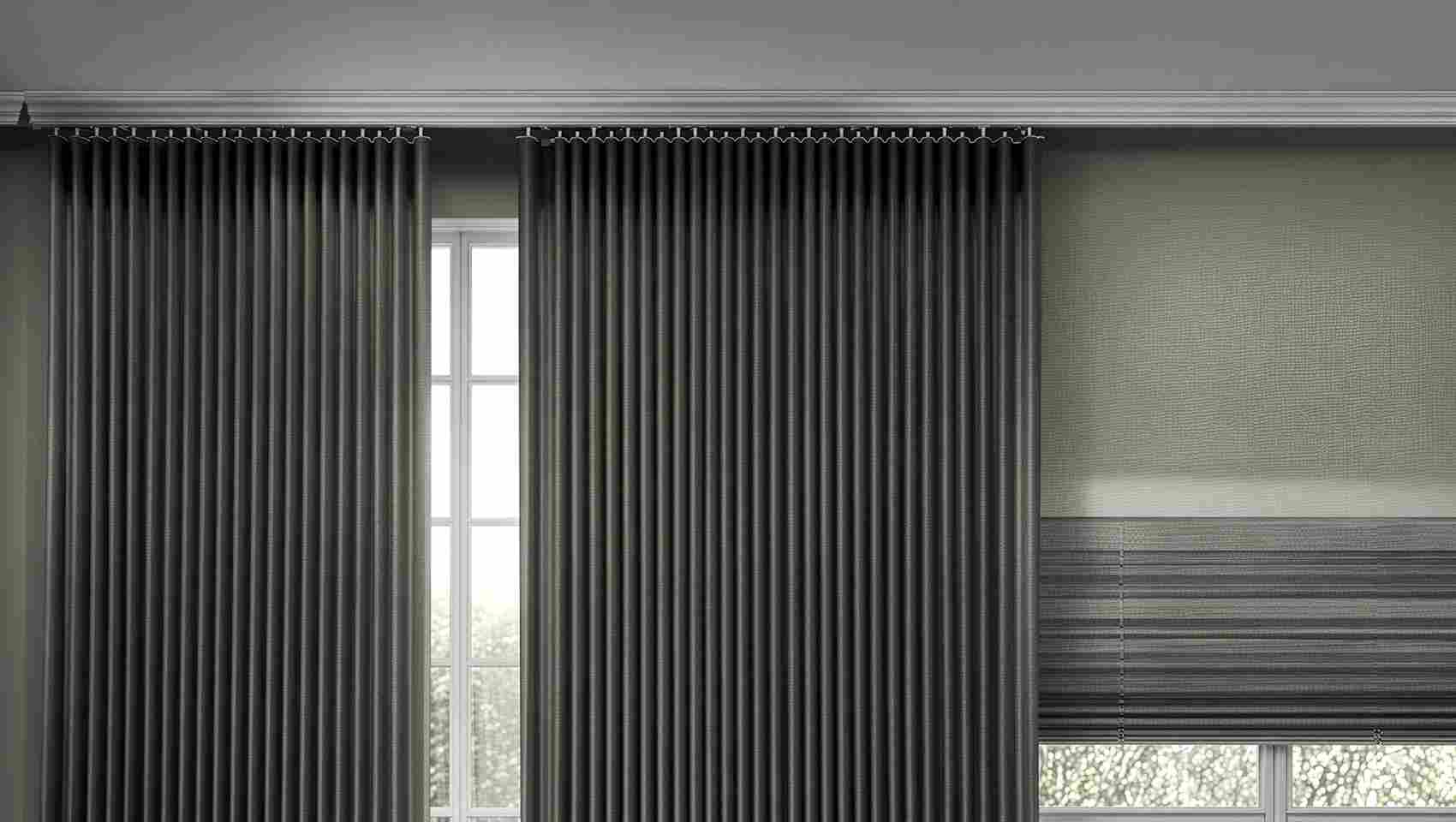
Curtain tops define how curtains hang and fold. There are several types of curtain tops that change the entire look of your window treatment.
Types of Curtain Pleats
Pleats add structure and elegance. Common types of curtain pleats include:
- Pinch pleats
- Box pleats
- Pencil pleats
- Goblet pleats
These styles are widely used in both modern and traditional interiors.
Other Curtain Top Styles
You will also find rod pocket tops, tab tops, and eyelet tops. These are important types of curtains that influence how fabric flows and gathers.
Types of Curtain Rods and Hardware Systems
Curtain installation depends heavily on hardware. There are many types of curtain rods designed for different weights and styles.
Different Types of Curtain Rods
Some popular options include:
- Single rods for simple curtains
- Double rods for layered curtains
- Decorative rods for stylish interiors
These are also known as different types of curtain rods used in modern homes.
Type of Curtain Rods and Brackets
Supporting hardware is just as important. The type of curtain rods you choose must match strong types of curtain brackets.
You will find:
- Ceiling brackets
- Wall-mounted brackets
- Adjustable brackets
There are also types of curtain rod brackets designed for heavy drapes and layered curtains.
Together, rods and brackets form the backbone of all types of curtains installations.
Types of Curtain Hooks and Rings
Small accessories play a big role in curtain movement. The most common types of curtain hooks include metal hooks, plastic hooks, and clip hooks.
Similarly, types of curtain rings help curtains glide smoothly across rods. These rings can be decorative or simple depending on design needs.
Hooks and rings are essential parts of many types of curtains, especially pleated and draped styles.
Types of Curtains for Different Rooms
Each room in your home requires different curtain solutions. The types of curtains for windows vary based on function and lighting needs.
Living Room Curtains
Living rooms often use layered curtains combining sheers and heavy panels for flexibility.
Bedroom Curtains
Blackout curtains are preferred for privacy and better sleep quality.
Kitchen Curtains
Lightweight and washable curtains work best in kitchens.
Bathroom Curtains
Moisture-resistant materials are ideal for humid environments.
These types of curtains ensure both style and practicality in every room.
Curtain Rod Accessories and Installation Styles
Beyond rods and hooks, there are many accessories that enhance functionality. These include finials, clips, and adjustable supports.
Different types of rods for curtains allow flexibility in design and installation. Some are fixed, while others are extendable for different window sizes.
The top of curtain types refers to how curtains attach at the upper edge, influencing both design and movement.
Proper installation ensures that all types of curtains hang evenly and operate smoothly.
Curtain Styling Trends and Modern Ideas
Modern interior design has expanded the variety of curtain styles available today. Many homeowners explore name different types of curtains when planning home décor upgrades.
Some trending styles include:
- Minimalist sheer curtains
- Floor-to-ceiling drapes
- Layered curtain designs
- Smart motorized curtains
These modern choices reflect how types of curtains continue to evolve with lifestyle needs.
Even fashion-inspired trends like different types of curtain bangs have influenced interior styling language, showing how design ideas often overlap across industries.
Choosing the Right Types of Curtains
Selecting the right types of curtains depends on several factors including light control, privacy, and design preference.
Consider these points:
- Room function
- Fabric durability
- Maintenance needs
- Color coordination
- Hardware compatibility
When all elements come together—fabric, rods, hooks, and design—you get a complete and balanced window treatment system.
FAQ: Types of Curtains
What are the most popular types of curtains?
The most popular types of curtains include blackout, sheer, grommet, pleated, and rod pocket curtains.
What are different types of curtain rods used for?
Different types of curtain rods support various curtain weights and styles, from lightweight sheers to heavy drapes.
What is the best type of curtain fabric?
Cotton, linen, polyester, and velvet are the most common type of curtain fabric choices.
What are types of curtain brackets?
They are wall or ceiling supports that hold rods securely in place.
What are types of curtain rings used for?
They help curtains slide smoothly along rods and improve movement.
What are types of curtain pleats?
Common types of curtain pleats include pinch, box, pencil, and goblet pleats.
What are types of curtains for windows?
These include blackout, sheer, thermal, decorative, and layered curtains.
Can I mix different types of curtains?
Yes, mixing types of curtains like sheers and blackout panels is very common for style and function.
What are types of curtain hooks?
They are small fittings used to attach curtains to rods or rings.
Why are curtain rods important?
Because all types of curtains depend on rods for proper hanging, support, and movement.
Conclusion
Curtains are far more than decorative fabric—they are a complete system that includes rods, brackets, hooks, and fabric choices. Exploring the many types of curtains helps you understand how each element contributes to comfort and style.
From traditional pleated drapes to modern minimalist panels, every option offers something unique for your home. When you combine the right materials and hardware, your windows become a powerful design feature.
The world of types of curtains is vast, but once you understand it, you can confidently create interiors that feel balanced, functional, and beautiful.