Waking up to soft waves, glowing sunsets, and peaceful water sounds may sound like a dream, but for many people, houseboat living is real life. Instead of busy streets and noisy neighborhoods, floating homeowners enjoy a slower and more relaxing lifestyle surrounded by nature.
More people are becoming interested in houseboat living because it offers freedom, adventure, and a unique way to simplify life. Whether you want a cozy weekend escape or a full-time floating home, living on the water can completely change the way you think about homeownership.
Some people choose floating homes to save money. Others love the adventure and peaceful atmosphere. No matter the reason, there is something magical about stepping outside your door and seeing water instead of pavement.

What Is Houseboat Living?
Houseboat living means using a boat as your primary home or temporary residence. Unlike regular boats designed mainly for travel, houseboats are built for comfort, offering bedrooms, kitchens, bathrooms, and living spaces.
Some floating homes stay docked at marinas most of the time, while others travel between lakes, rivers, and coastal areas. Modern houseboats can feel surprisingly similar to traditional houses, with stylish interiors and smart storage solutions.
Different Types of Houseboats
There are several styles of houseboats available today:
- Pontoon houseboats
- Canal boats
- Floating cabins
- Luxury yacht-style houseboats
- Tiny floating homes
- Converted barges
Each style offers different benefits depending on your budget, lifestyle, and location.
Why People Love Houseboat Living
Living on water creates a lifestyle that feels peaceful and refreshing. Many people say their stress levels drop significantly after moving onto a floating home.
A Strong Connection With Nature
One of the biggest advantages of living on a houseboat is daily access to nature. Imagine drinking coffee while watching birds glide across the water or falling asleep to gentle waves at night.
Many floating homeowners enjoy:
- Fishing from their deck
- Watching sunsets every evening
- Kayaking nearby waters
- Seeing wildlife up close
- Enjoying cleaner air and quiet surroundings
A Simpler Lifestyle
Many people discover that houseboat living encourages them to own fewer possessions. Smaller spaces naturally reduce clutter and create a more organized lifestyle.
This simplicity often leads to:
- Less stress
- Lower maintenance
- Reduced monthly expenses
- More freedom to travel
- Better work-life balance
Unique Community Atmosphere
Marina communities are often friendly and welcoming. Neighbors regularly help each other with repairs, maintenance, and local advice.
Unlike traditional neighborhoods, floating communities tend to build close relationships because residents share similar lifestyles and challenges.
The Real Costs of Houseboat Living
One common misconception is that floating homes are always cheap. While some are affordable, costs vary depending on size, location, and lifestyle.
Buying a Houseboat
Prices can range widely:
| Type | Average Cost |
|---|---|
| Small used houseboat | $20,000–$60,000 |
| Mid-size modern houseboat | $70,000–$200,000 |
| Luxury floating home | $300,000+ |
Older boats may cost less upfront but could require expensive repairs later.
Monthly Expenses
Living on water includes regular expenses such as:
- Marina fees
- Insurance
- Fuel
- Maintenance
- Pump-out services
- Utilities
- Internet connection
Some marinas also charge extra for parking, electricity, or water hookups.
Maintenance Matters
Maintenance is one of the most important parts of houseboat living. Water exposure can damage surfaces over time, so regular inspections are essential.
Owners often need to maintain:
- Engines
- Plumbing systems
- Electrical wiring
- Hull protection
- Roof seals
- Heating systems
Skipping maintenance can lead to costly repairs later.
Best Locations for Houseboat Living
Not every waterway allows permanent floating homes. Choosing the right location is extremely important before buying a houseboat.
Popular Houseboat Destinations
Some well-known areas for floating homes include:
- Seattle
- Amsterdam
- Portland
- Sausalito
- London canals
- Lake Cumberland
- Kerala backwaters
Each location offers different weather, marina costs, and legal rules.
Climate Considerations
Weather affects everyday comfort during houseboat living. Cold regions may require winter insulation and heating systems, while hot climates need strong ventilation and cooling.
Before choosing a location, consider:
- Storm frequency
- Flood risks
- Water levels
- Ice conditions
- Humidity
- Hurricane exposure
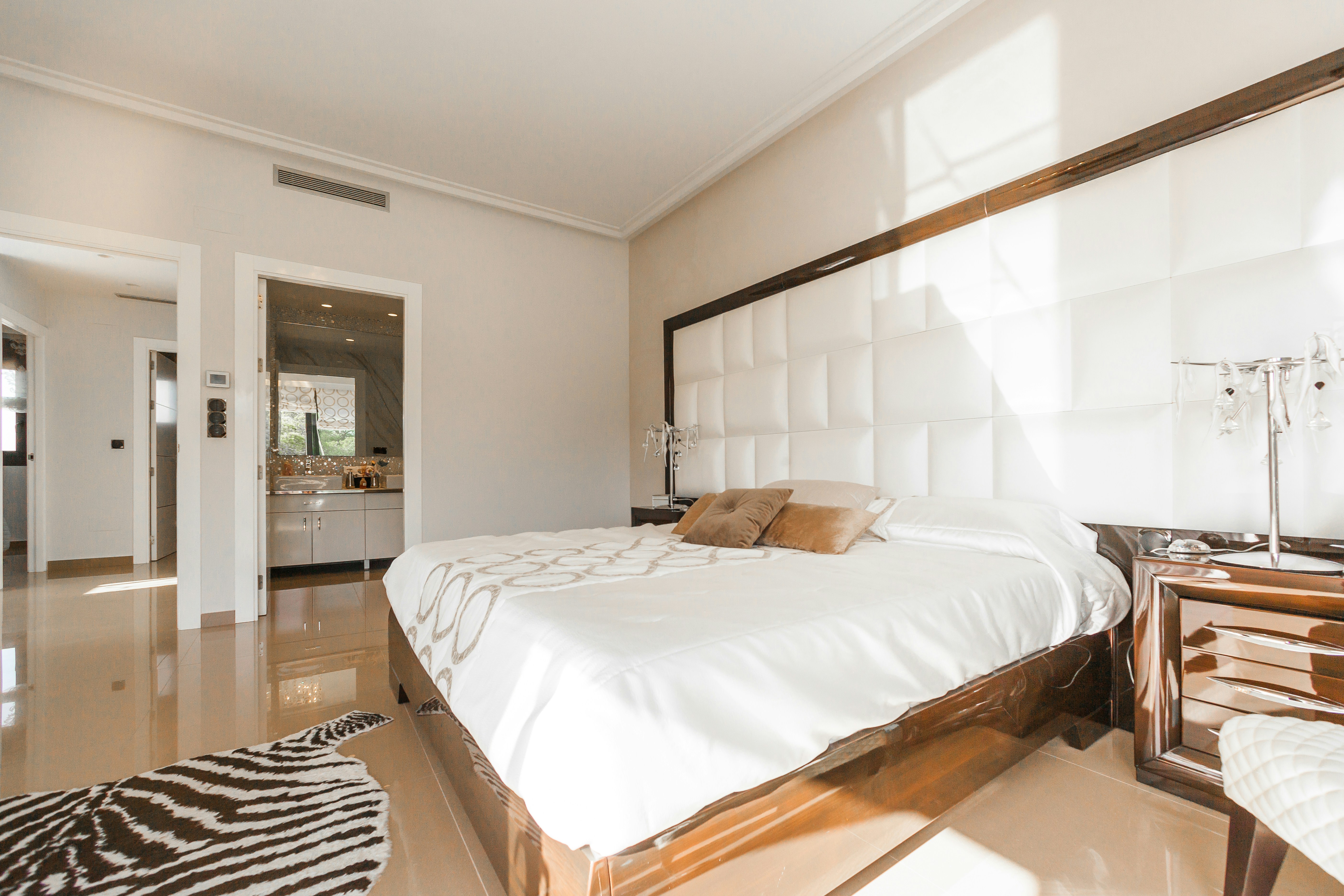
Daily Life on a Floating Home
Daily routines on a houseboat can feel surprisingly normal. Most floating homes include everything found in traditional houses, just in smaller spaces.
Cooking and Dining
Modern houseboats often feature:
- Compact kitchens
- Refrigerators
- Stoves
- Small ovens
- Dining areas
- Outdoor grills
Many people enjoy eating meals outside while watching the water.
Bathroom and Water Systems
Houseboats use different plumbing systems than land homes. Freshwater tanks and waste storage systems require regular management.
Some marinas provide:
- Freshwater hookups
- Sewage pump-out stations
- Laundry facilities
- Shower buildings
Internet and Remote Work
Thanks to modern technology, many people now work remotely while living on water. Wi-Fi boosters and mobile hotspots make it easier to stay connected.
This flexibility has made houseboat living more attractive to digital workers and freelancers.
Challenges of Houseboat Living
Although floating homes are beautiful, they also come with unique challenges.
Limited Space
Storage can become difficult in smaller houseboats. Smart organization is necessary to avoid clutter.
Helpful storage ideas include:
- Under-bed storage
- Foldable furniture
- Wall-mounted shelves
- Multi-purpose seating
- Ceiling storage racks
Motion and Stability
Some people need time to adjust to gentle rocking movements. Calm marinas reduce motion, but windy conditions may still create movement.
Most residents adapt quickly after a few weeks.
Weather Risks
Storms can become stressful for floating homeowners. Strong winds and rough water require proper docking equipment and emergency planning.
Safety preparation should include:
- Backup power
- Emergency radios
- Life jackets
- Waterproof storage
- Strong dock lines
Designing a Comfortable Floating Home
Interior design plays a major role in making floating spaces feel warm and inviting.
Smart Interior Design Tips
Small-space decorating can make houseboats feel larger and brighter.
Popular design ideas include:
- Large windows
- Light-colored walls
- Minimal furniture
- Built-in storage
- Foldable tables
- Mirrors for extra light
Outdoor Living Spaces
Decks are one of the best features of floating homes. Many owners turn outdoor areas into relaxing mini patios.
Deck upgrades may include:
- Outdoor seating
- Potted plants
- String lights
- Compact grills
- Hammocks
- Small dining tables
Sustainability and Eco-Friendly Benefits
Many people choose houseboat living because it can support a more sustainable lifestyle.
Reduced Energy Use
Smaller spaces often require:
- Less electricity
- Less heating
- Less cooling
- Fewer household products
Some floating homeowners install:
- Solar panels
- Composting toilets
- Rainwater collection systems
- Energy-efficient appliances
Minimalist Living Habits
Living on water naturally encourages mindful consumption. Many residents become more aware of waste, energy use, and environmental impact.
This lifestyle often supports:
- Lower carbon footprints
- Reduced material consumption
- Sustainable living habits
- Eco-conscious choices
Is Houseboat Living Right for Families?
Families can absolutely enjoy floating homes, but space planning becomes very important.
Benefits for Families
Children often enjoy:
- Outdoor adventures
- Swimming nearby
- Fishing activities
- Learning boating skills
- Nature experiences
Parents may appreciate the close family bonding that smaller living spaces encourage.
Challenges for Larger Families
Bigger households may struggle with:
- Limited bedrooms
- Storage shortages
- School transportation
- Privacy concerns
Choosing a larger floating home can help solve some of these issues.
Legal and Insurance Considerations
Before starting houseboat living, it is important to understand local laws and marina regulations.
Registration and Licensing
Requirements may include:
- Boat registration
- Navigation permits
- Marina agreements
- Safety inspections
- Boating licenses
Rules vary depending on country and region.
Insurance Needs
Houseboat insurance usually covers:
- Storm damage
- Theft
- Liability
- Fire damage
- Water damage
Policies can differ significantly between insurers, so comparing options is important.
Tips for Beginners
Starting life on the water becomes much easier with proper preparation.
Start Small
Many experts recommend renting a houseboat before buying one permanently. This allows you to experience daily life firsthand.
Learn Basic Maintenance Skills
Simple repair knowledge can save money and reduce stress. Helpful skills include:
- Plumbing basics
- Electrical troubleshooting
- Engine maintenance
- Docking techniques
Stay Organized
Space management is one of the keys to successful houseboat living. Keeping only essential belongings helps maintain comfort and functionality.
h2 FAQs
h3 Is houseboat living cheaper than owning a regular house?
It can be cheaper in some areas, especially if marina fees and maintenance costs remain low. However, luxury houseboats and premium marinas can become expensive.
h3 Can you live on a houseboat year-round?
Yes, many people live on houseboats full-time throughout the year. Proper heating, insulation, and weather preparation are important for comfort.
h3 Do houseboats have electricity and running water?
Most modern houseboats include electricity, freshwater systems, and plumbing similar to traditional homes.
h3 Is houseboat living safe during storms?
Houseboats can remain safe during storms if they are properly secured and maintained. Severe weather planning is essential.
h3 Can families with children enjoy houseboat living?
Yes, families can enjoy floating homes, especially if the houseboat has enough space and safety features.
h3 How long do houseboats last?
Well-maintained houseboats can last several decades. Regular inspections and repairs greatly increase lifespan.
h3 Are pets allowed on houseboats?
Many houseboat owners keep pets successfully. Dogs especially enjoy outdoor deck spaces and waterfront walks.
h3 Do you need boating experience to live on a houseboat?
Not always. Some floating homes remain permanently docked, though basic boating knowledge is helpful.
Conclusion
For people seeking adventure, simplicity, and a stronger connection with nature, houseboat living offers a lifestyle unlike any other. Life on the water combines freedom, peaceful surroundings, and creative living in ways traditional homes rarely can.
Of course, floating homes come with responsibilities like maintenance, weather preparation, and smart space management. But for many people, the rewards far outweigh the challenges.
Whether you dream of a cozy floating cabin or a luxury waterfront retreat, living on a houseboat can transform everyday life into something far more memorable and inspiring.