
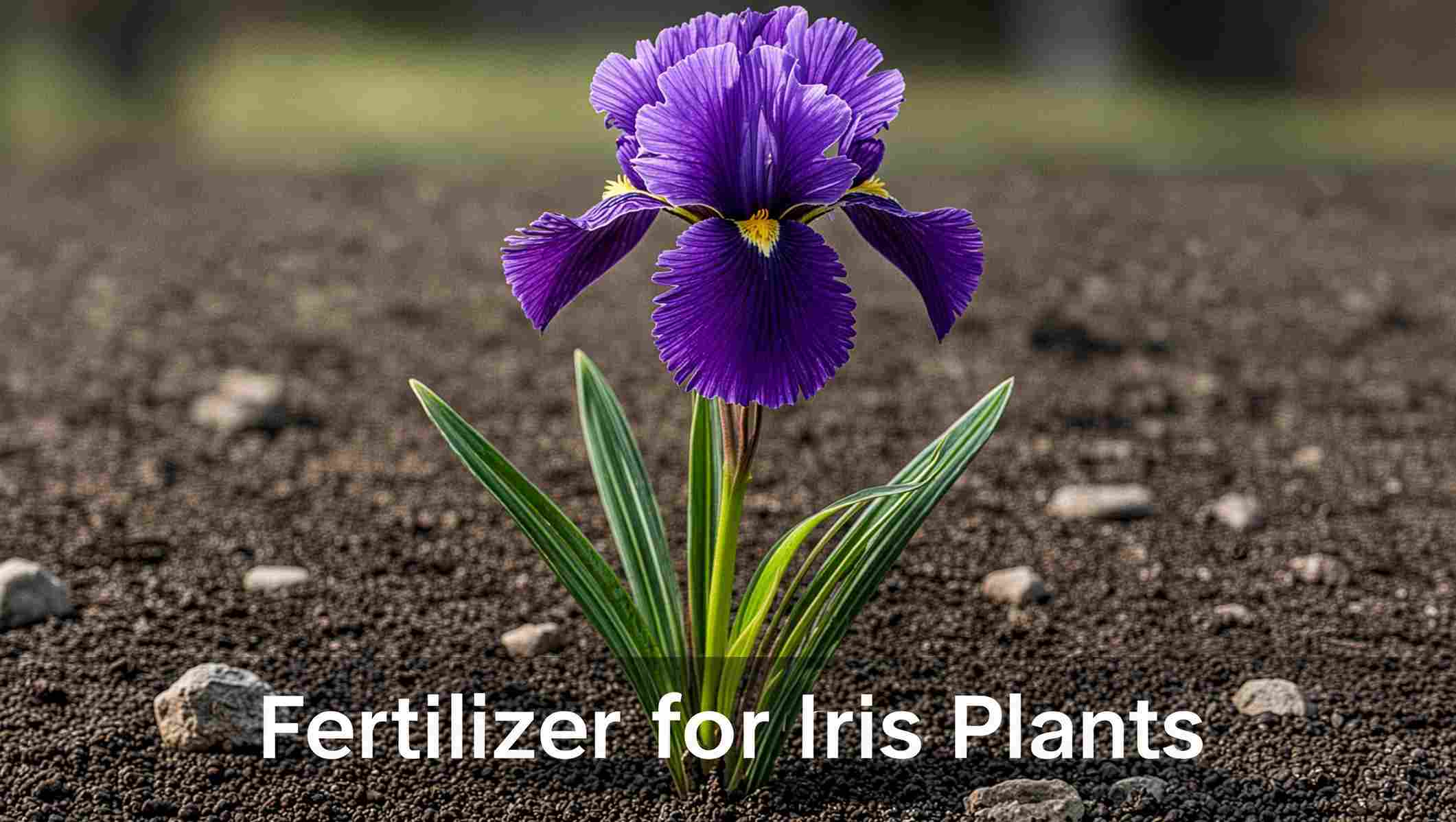
If you’ve ever admired a patch of irises glowing in the morning sun, you know how magical these flowers can be. Their elegant petals, rich colors, and graceful stems make them one of the most beloved perennials in any garden. But when blooms start shrinking or leaves look tired, the secret to bringing them back often comes down to one thing: the right fertilizer for iris plants.
Whether you grow classic bearded irises or delicate Siberian varieties, feeding them properly can mean the difference between a few flowers and a spectacular display. Understanding the best fertilizer for iris plants helps encourage stronger roots, healthier foliage, and more abundant blooms year after year.
Why Fertilizer Matters for Iris Plants
Irises are surprisingly tough plants. Once established, they can thrive for years with minimal attention. However, like all flowering perennials, they gradually use up the nutrients in the soil.
A balanced fertilizer for iris plants replenishes these nutrients and supports:
- Larger, more colorful blooms
- Stronger rhizomes and root systems
- Better disease resistance
- Increased reblooming potential
- Healthier foliage throughout the growing season
Without proper feeding, irises may produce fewer flowers and become more susceptible to rot and pests.
Understanding Iris Nutrient Needs
To choose the best fertilizer for iris plants, it helps to understand what nutrients irises need most.
Nitrogen (N)
Nitrogen promotes leafy growth. While some nitrogen is beneficial, too much can lead to lush foliage with very few blooms.
Phosphorus (P)
Phosphorus is the superstar nutrient for irises. It supports root development and encourages robust flowering.
Potassium (K)
Potassium strengthens plant tissues and improves resistance to drought, disease, and stress.
For most irises, a low-nitrogen, higher-phosphorus fertilizer works best.
Best NPK Ratios for Iris Plants
NPK numbers on fertilizer bags indicate the percentages of nitrogen, phosphorus, and potassium.
Ideal ratios include:
- 5-10-10
- 6-10-10
- 10-20-20
- 4-10-12
These formulas provide the phosphorus needed for healthy rhizomes and spectacular blooms while avoiding excess nitrogen.
Best Types of Fertilizer for Iris Plants
Choosing the right type of fertilizer for iris plants depends on your gardening style and soil conditions.
Granular Fertilizer
Granular fertilizers are easy to apply and provide slow-release nutrients over several weeks.
Benefits include:
- Long-lasting feeding
- Simple application
- Cost-effective
Sprinkle around the plant, keeping fertilizer away from the rhizomes.
Liquid Fertilizer
Liquid fertilizers act quickly and are useful when plants need a fast nutrient boost.
Best for:
- Container-grown irises
- Nutrient-deficient plants
- Supplemental feeding
Organic Fertilizer
Organic options improve soil health while providing gentle nutrition.
Popular choices include:
- Bone meal
- Compost
- Fish emulsion
- Alfalfa meal
Organic Fertilizer for Iris Plants
Many gardeners prefer organic fertilizer for iris plants because it nourishes the soil as well as the plant.
Bone Meal
Bone meal is rich in phosphorus and ideal for promoting bloom production and strong rhizomes.
Compost
Well-rotted compost adds organic matter and a broad spectrum of nutrients.
Worm Castings
These provide mild nutrition and beneficial microbes that support healthy soil.
Fish Emulsion
A quick-acting organic liquid fertilizer, best used at half strength to avoid overfeeding.
Synthetic Fertilizer for Iris Plants
Synthetic fertilizers offer precise nutrient ratios and fast results.
Common examples include bloom boosters with formulas such as:
- 10-20-20
- 5-10-10
These are especially useful if soil tests reveal specific deficiencies.
When to Apply Fertilizer for Iris Plants
Timing matters just as much as fertilizer choice.
Early Spring
Apply fertilizer when new growth emerges. This supports leaf development and prepares plants for blooming.
After Blooming
A second application after flowering helps rhizomes store energy for next year.
Fall (Optional)
In poor soils, a light fall feeding can strengthen roots before winter dormancy.
Avoid fertilizing late in the season with high-nitrogen products, which can encourage tender growth.
How to Apply Fertilizer for Iris Plants Correctly
Using fertilizer for iris plants the right way prevents root damage and rot.
Step-by-Step Instructions
- Remove weeds and debris around the plants.
- Sprinkle fertilizer in a ring around each clump.
- Keep fertilizer several inches away from exposed rhizomes.
- Lightly scratch it into the soil.
- Water thoroughly.
Never pile fertilizer directly on top of rhizomes.
How Much Fertilizer Do Irises Need?
A little goes a long way.
As a general rule:
- Use about ½ cup of granular fertilizer per mature clump.
- Apply liquid fertilizer according to label directions.
- Reduce amounts for young or newly divided plants.
Overfertilizing can cause soft growth and fewer flowers.
Best Fertilizer for Bearded Iris Plants
Bearded irises are the most popular type and benefit from a phosphorus-rich, low-nitrogen formula.
Recommended options:
- 5-10-10 granular fertilizer
- Bone meal mixed into the soil
- Compost top dressing
Bearded irises prefer well-drained soil and exposed rhizomes, so avoid heavy mulching.
Best Fertilizer for Siberian and Japanese Irises
These moisture-loving irises have slightly different needs.
Siberian and Japanese irises appreciate:
- More consistent moisture
- Rich organic soil
- Balanced fertilizers like 10-10-10 or 5-10-10
Their roots remain covered, unlike bearded irises.
Best Fertilizer for Iris Plants in Containers
Container-grown irises depend entirely on you for nutrients.
Use:
- Slow-release granular fertilizer at planting
- Diluted liquid fertilizer every 4–6 weeks during active growth
Make sure containers have excellent drainage to prevent rot.
Signs Your Iris Plants Need Fertilizer
Irises often communicate their needs clearly.
Look for:
- Small or sparse blooms
- Pale green or yellow leaves
- Slow growth
- Weak flower stalks
- Poor reblooming
A soil test can confirm whether nutrient deficiencies are the issue.
Signs of Too Much Fertilizer
More is not always better.
Overfed irises may show:
- Excessive leafy growth
- Few flowers
- Burned leaf edges
- Soft rhizomes
- Increased disease problems
Flush the soil with water if overfertilization occurs.
Soil pH and Nutrient Uptake
Even the best fertilizer for iris plants won’t work if the soil pH is off.
Irises prefer slightly acidic to neutral soil with a pH between 6.5 and 7.0.
If the soil is too acidic, phosphorus becomes less available, reducing bloom performance.
Should You Use Compost With Fertilizer?
Absolutely. Compost and fertilizer for iris plants work beautifully together.
Compost:
- Improves soil structure
- Increases microbial activity
- Enhances nutrient retention
- Supports long-term soil health
Use compost as a top dressing each spring.
Common Fertilizing Mistakes to Avoid
Avoid these errors to keep your irises thriving.
Using High-Nitrogen Lawn Fertilizer
Lawn fertilizers encourage leaves, not flowers.
Fertilizing Wet Rhizomes
This can contribute to rot.
Applying Too Frequently
Two applications per year are usually enough.
Ignoring Soil Drainage
Poor drainage causes more problems than nutrient deficiencies.
Homemade Fertilizer for Iris Plants
If you enjoy natural gardening, you can create gentle homemade plant food.
Simple options include:
- Compost tea
- Crushed eggshells
- Banana peel tea
- Diluted fish tank water
These provide modest nutrients and complement regular fertilization.
Seasonal Iris Feeding Schedule
Here is an easy annual plan for fertilizer for iris plants.
| Season | What to Do |
|---|---|
| Early Spring | Apply phosphorus-rich fertilizer |
| Late Spring | Enjoy blooms |
| After Bloom | Feed again lightly |
| Summer | Divide crowded clumps if needed |
| Fall | Add compost or optional light feeding |
| Winter | No fertilizer needed |
FAQ
What is the best fertilizer for iris plants?
A low-nitrogen, phosphorus-rich formula such as 5-10-10 is widely considered the best fertilizer for healthy roots and abundant blooms.
Can I use bone meal as fertilizer for iris plants?
Yes. Bone meal is an excellent organic source of phosphorus and supports strong rhizome development.
How often should I fertilize irises?
Most irises benefit from feeding twice a year: once in early spring and once after blooming.
Is Miracle-Gro good for iris plants?
Bloom-boosting formulas can work well if they are low in nitrogen and used according to label directions.
Can too much fertilizer harm irises?
Yes. Overfertilizing can cause leaf burn, soft growth, and fewer flowers.
Should I fertilize newly planted irises?
Use a light application at planting, especially if the soil is poor, but avoid overfeeding young plants.
What is the best organic fertilizer for iris plants?
Bone meal, compost, and worm castings are among the best organic options.
Do irises need fertilizer every month?
No. Monthly feeding is unnecessary and may cause more harm than good.
Conclusion
Irises have a way of making any garden feel elegant and alive. Their blooms appear like living works of art, rewarding even modest care with breathtaking color. Choosing the right fertilizer for iris plants is one of the simplest and most effective ways to ensure they return stronger and more beautiful each year.
With a low-nitrogen, phosphorus-rich formula, proper timing, and careful application, your irises can thrive for decades. Feed them thoughtfully, keep their roots healthy, and they will reward you with dazzling flowers that stop you in your tracks every spring.