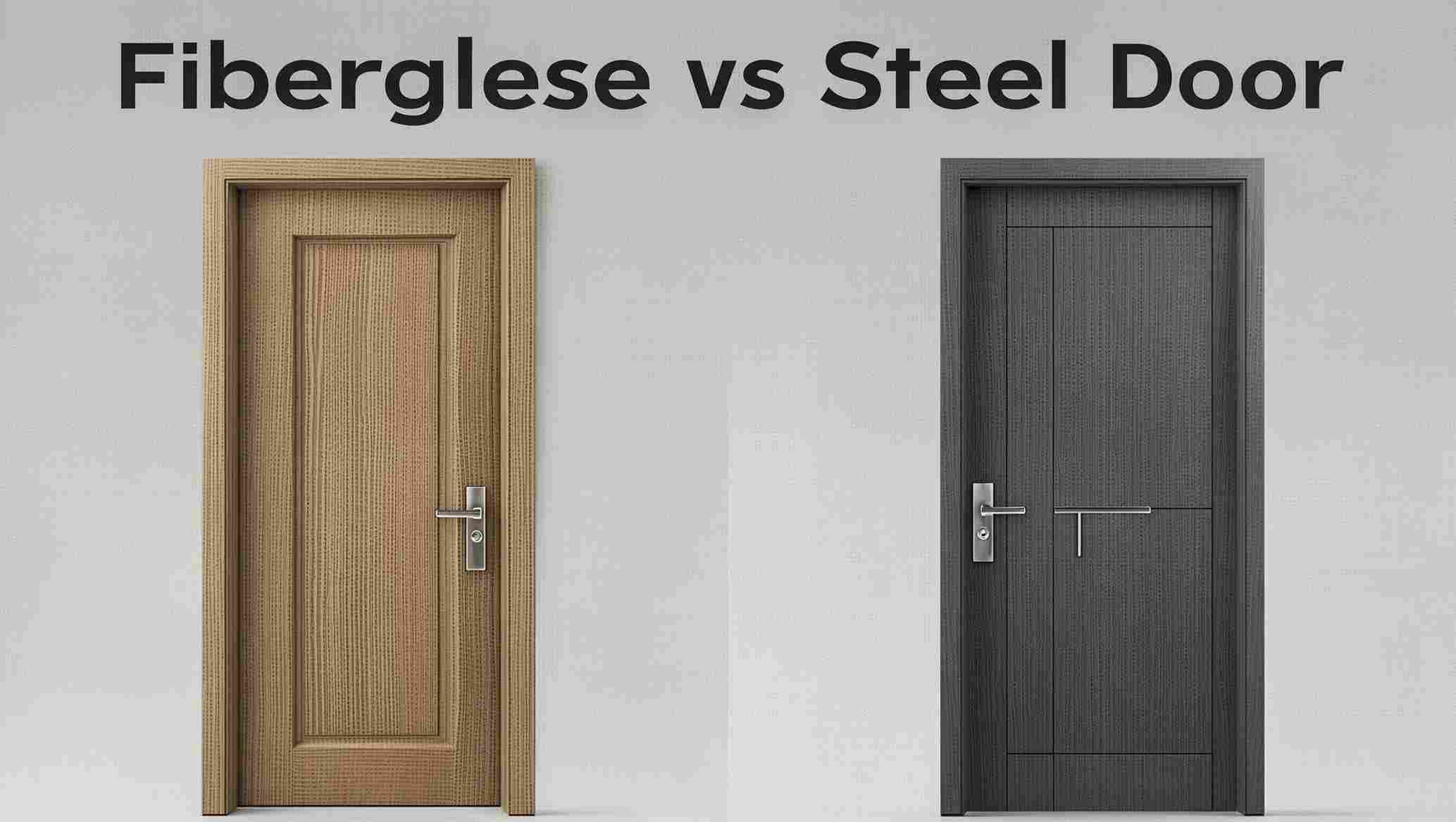
Choosing the right front door isn’t just about looks—it’s about security, durability, and long-term value. When comparing a fiberglass vs steel door, many homeowners feel stuck between two strong options, each with its own benefits and trade-offs.
Your front door is the first thing people notice, but it also protects your home from weather, noise, and intruders. That’s why understanding the real differences between fiberglass and steel doors matters more than ever.
In this guide, we’ll break down everything you need to know—from strength and insulation to cost and maintenance—so you can confidently choose the door that fits your lifestyle and budget.
What Is a Fiberglass Door?
A fiberglass door is made from reinforced plastic materials designed to mimic the look of real wood while offering superior resistance to weather and wear.
Key Features of Fiberglass Doors
- Resistant to dents, rust, and warping
- Can replicate natural wood grain
- Low maintenance compared to wood
- Excellent insulation properties
Fiberglass doors are especially popular in areas with extreme weather because they don’t expand or contract like wood.
What Is a Steel Door?
Steel doors are built with a solid steel outer layer and a foam or wood core inside. They’re known for their strength and security.
Key Features of Steel Doors
- Extremely strong and secure
- More affordable than fiberglass
- Energy-efficient with insulated cores
- Smooth or textured finish options
Steel doors are often the top choice for homeowners prioritizing safety and affordability.
Fiberglass vs Steel Door: Key Differences Explained
Understanding the real difference between materials helps you make a smarter decision.
Durability and Strength
When it comes to durability, both materials perform well—but in different ways.
- Steel doors are stronger against forced entry
- Fiberglass doors resist dents, scratches, and weather damage
Steel can dent and rust over time, while fiberglass remains stable in harsh climates.
Security Comparison
Security is a major factor when choosing between a fiberglass vs steel door.
- Steel doors offer higher resistance to break-ins
- Fiberglass doors are strong but slightly less rigid
However, both can be highly secure when paired with quality locks and frames.
Energy Efficiency
Energy efficiency impacts your electricity bills and indoor comfort.
- Fiberglass doors have better insulation overall
- Steel doors also insulate well but can transfer heat if damaged
Fiberglass is often the winner in extreme climates.
Fiberglass vs Steel Exterior Doors: Style and Design
Your front door defines your home’s personality.
Fiberglass Style Options
- Wood-like finishes (oak, mahogany, walnut)
- Custom paint and stain options
- Decorative glass inserts
Steel Style Options
- Sleek, modern designs
- Limited texture options
- Usually painted finishes
If aesthetics matter most, fiberglass offers more flexibility.
Cost Comparison: Which Is More Affordable?
Price is often the deciding factor in the fiberglass vs steel door debate.
Steel Door Pricing
- Generally more affordable upfront
- Lower installation cost
- Budget-friendly option
Fiberglass Door Pricing
- Higher initial cost
- Better long-term value
- Less maintenance expense
While steel wins on price, fiberglass often wins on longevity.
Maintenance Requirements
Maintenance can impact your long-term satisfaction.
Steel Door Maintenance
- Needs repainting over time
- Prone to rust if scratched
- Can dent easily
Fiberglass Door Maintenance
- Minimal upkeep
- No rust or corrosion
- Holds paint and finish longer
Fiberglass is clearly the low-maintenance choice.
Weather Resistance
If you live in a region with extreme heat, humidity, or rain, this matters a lot.
- Fiberglass resists moisture, swelling, and cracking
- Steel can rust and warp if not properly maintained
For harsh climates, fiberglass is usually the safer option.
Steel vs Fiberglass Entry Door: Pros and Cons
Fiberglass Door Pros
- Weather-resistant
- Energy-efficient
- Low maintenance
- Realistic wood appearance
Fiberglass Door Cons
- Higher cost
- Slightly less impact resistance than steel
Steel Door Pros
- Strong and secure
- Affordable
- Fire-resistant
Steel Door Cons
- Can rust or dent
- Limited design options
- Requires maintenance
Steel vs Fiberglass Exterior Door: Which Lasts Longer?
Longevity depends on usage and environment.
- Fiberglass doors can last 20–30 years or more
- Steel doors typically last 10–20 years
Fiberglass tends to outlast steel due to its resistance to corrosion and wear.
Fiberglass vs Steel Entry Door: Best Use Cases
Choose Fiberglass If:
- You want a wood-like appearance
- You live in a humid or coastal area
- You prefer low maintenance
Choose Steel If:
- Security is your top priority
- You’re on a tight budget
- You want a simple, modern look
Steel Door vs Fiberglass Exterior Door: Final Comparison Table
| Feature | Fiberglass Door | Steel Door |
|---|---|---|
| Durability | High (weatherproof) | High (impact strong) |
| Maintenance | Low | Medium |
| Cost | Higher | Lower |
| Security | Good | Excellent |
| Style Options | Wide variety | Limited |
| Lifespan | Longer | Moderate |
FAQs
Frequently Asked Questions
Is a fiberglass vs steel door better for security?
Steel doors are generally more secure due to their rigid structure, but fiberglass doors can still provide strong protection with proper locks.
Which lasts longer, fiberglass or steel doors?
Fiberglass doors typically last longer because they resist rust, dents, and weather damage better than steel.
Are fiberglass doors worth the extra cost?
Yes, they offer better durability, insulation, and lower maintenance, making them a great long-term investment.
Do steel doors rust over time?
Yes, if the protective coating is damaged, steel doors can rust, especially in humid environments.
Which is more energy-efficient?
Fiberglass doors usually provide better insulation and energy efficiency compared to steel.
Can fiberglass doors look like real wood?
Yes, many fiberglass doors are designed to closely mimic real wood grain and textures.
Are steel doors good for extreme weather?
They can handle weather well but may rust or dent, while fiberglass performs better in extreme conditions.
Which door is better for resale value?
Fiberglass doors often add more value due to their appearance and durability.
Conclusion
When it comes to choosing between a fiberglass vs steel door, the right answer depends on your priorities. If you’re looking for long-term durability, energy efficiency, and a beautiful wood-like appearance, fiberglass is hard to beat. On the other hand, if budget and maximum security are your top concerns, steel remains a solid and reliable option.
Ultimately, both materials offer excellent performance—it’s about finding the balance that fits your home, climate, and lifestyle.