If you’re searching for a flooring option that feels warm, soft, and eco-friendly, you’ve probably come across cork flooring pros and cons. It’s one of those materials that people either absolutely love—or quickly move on from after learning the full picture.
The truth is, understanding what are the pros and cons of cork flooring can save you from making an expensive mistake. While cork offers comfort and sustainability, it also comes with limitations that aren’t always obvious at first glance.
In this guide, we’ll explore everything from cork floor pros and cons to room-specific insights like kitchens, bathrooms, and basements—so you can decide if it’s the right fit for your home.
What Is Cork Flooring?
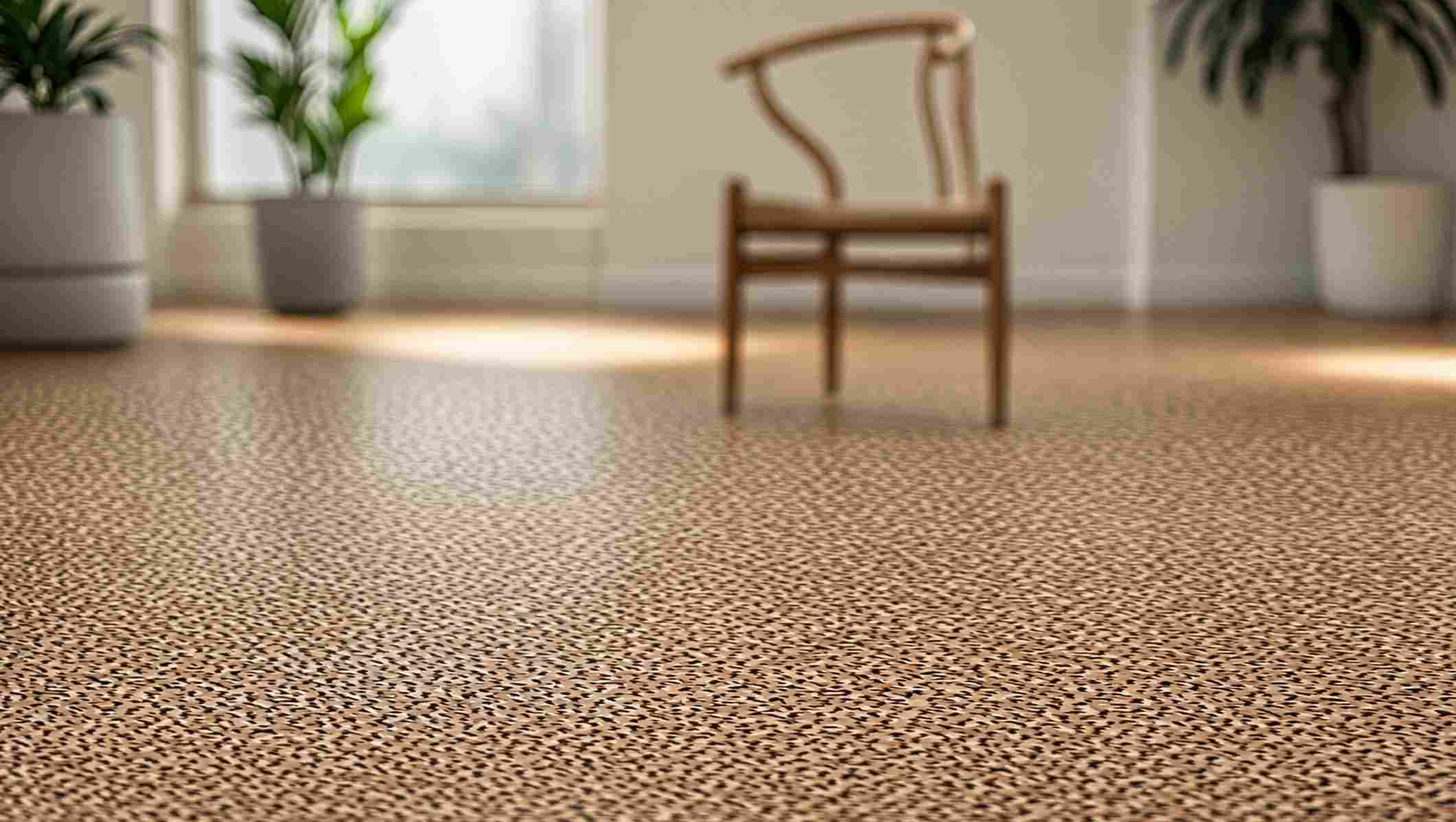
Cork flooring is made from the bark of cork oak trees, making it a renewable and environmentally friendly material. The bark regenerates, so trees aren’t cut down during harvesting.
How It’s Manufactured
- Bark is harvested sustainably
- Ground into fine particles
- Compressed into tiles or planks
- Sealed for durability
This natural structure gives cork its signature softness and flexibility.
Cork Flooring Pros and Cons Explained
Let’s take a closer look at cork flooring pros and cons so you can understand both sides clearly.
Advantages
- Soft and comfortable underfoot
- Eco-friendly and renewable
- Naturally insulating (sound and heat)
- Resistant to mold and allergens
Disadvantages
- Can dent or scratch easily
- Sensitive to moisture
- Requires periodic sealing
- May fade in sunlight
These cork floors pros and cons make it essential to match the material with the right space in your home.
Benefits of Cork Flooring
Comfort and Warmth
One of the biggest highlights in pros and cons of cork flooring is comfort. Unlike tile or hardwood:
- Cork feels warm year-round
- It absorbs impact when walking
- Ideal for standing long hours
Energy Efficiency
Cork’s cellular structure traps air, making it a natural insulator:
- Keeps rooms warmer in winter
- Reduces noise transmission
- Improves energy efficiency
Eco-Friendly Living
For environmentally conscious homeowners, cork is a top choice:
- Renewable resource
- Low carbon footprint
- Biodegradable
Drawbacks of Cork Flooring
Prone to Damage
When evaluating cork floor pros and cons, durability is a key concern:
- Heavy furniture can leave dents
- Sharp objects may puncture
- Pet claws can scratch surfaces
Moisture Issues
Cork is not fully waterproof:
- Needs sealing to resist spills
- High humidity can cause swelling
- Not ideal for very wet environments
Cork Flooring Kitchen Pros and Cons
Using cork in kitchens is becoming popular, but understanding cork flooring kitchen pros and cons is essential.
Pros
- Soft underfoot for long cooking hours
- Warmer than tile
- Reduces noise
Cons
- Spills must be cleaned quickly
- Risk of staining
- Needs sealing
The same applies when considering cork floor kitchen pros and cons or cork flooring in kitchen pros and cons—it works well, but only with proper care.
Bathroom Cork Flooring Pros and Cons
Bathrooms are tricky areas. Let’s break down bathroom cork flooring pros and cons.
Pros
- Warm and comfortable
- Slip-resistant surface
Cons
- High moisture risk
- Requires excellent sealing
- Can warp over time
Whether you call it cork flooring bathroom pros and cons, cork flooring in bathroom pros and cons, or cork bathroom flooring pros and cons, the verdict is the same: use with caution.
Cork Flooring Basement Pros and Cons
Basements often deal with moisture, so understanding cork flooring basement pros and cons is crucial.
Pros
- Adds warmth to cold basements
- Comfortable underfoot
Cons
- Vulnerable to moisture damage
- Not ideal for damp basements
The same applies to cork flooring for basements pros and cons—only suitable if the area is fully dry and sealed.
Cork vs Other Flooring Options
Bamboo vs Cork Flooring Pros and Cons
When comparing bamboo vs cork flooring pros and cons:
Cork:
- Softer and quieter
- More comfortable
- Less durable
Bamboo:
- Harder and more durable
- Better for high traffic
- Less cushioning
Cork vs Vinyl
Some homeowners consider pros and cons of cork backed vinyl flooring as an alternative.
- Cork-backed vinyl offers better water resistance
- Cork is more natural and eco-friendly
- Vinyl requires less maintenance
Maintenance Tips
To reduce the downsides discussed in cork flooring pros and cons, follow these tips:
- Clean spills immediately
- Use furniture pads
- Avoid dragging heavy items
- Reseal every few years
Proper maintenance can significantly extend the life of your cork flooring.
Is Cork Flooring Worth It?
If you’re still wondering what are the pros and cons of cork flooring, the answer depends on your lifestyle.
Choose cork if you want:
- Comfort and warmth
- Eco-friendly materials
- Quiet living spaces
Avoid cork if you need:
- High durability
- Waterproof flooring
- Low maintenance
Frequently Asked Questions
Is cork flooring good for kitchens?
Yes, but understanding cork flooring in kitchen pros and cons is important. It’s comfortable but requires sealing and maintenance.
Can cork flooring be used in bathrooms?
It can, but cork flooring bathroom pros and cons show it’s risky due to moisture exposure.
Is cork flooring suitable for basements?
Only in dry basements. Review cork flooring basement pros and cons before installing.
How durable is cork flooring?
Moderately durable, but softer than hardwood, as seen in most cork floors pros and cons comparisons.
Is cork flooring eco-friendly?
Yes, it’s one of the most sustainable flooring options available.
Does cork flooring require maintenance?
Yes, regular sealing and careful cleaning are essential.
How does cork compare to bamboo flooring?
Looking at bamboo vs cork flooring pros and cons, bamboo is stronger, while cork is softer and more comfortable.
Is cork-backed vinyl better?
Depending on your needs, pros and cons of cork backed vinyl flooring show it offers better moisture resistance but less natural appeal.
Conclusion
Understanding cork flooring pros and cons helps you make a smarter, more confident decision. Cork stands out for its comfort, warmth, and eco-friendly nature—but it does require care and isn’t suitable for every room.
If you value a cozy, quiet, and sustainable home environment, cork flooring can be a fantastic choice. Just be sure to match it with the right spaces and maintain it properly to enjoy its full benefits for years to come.