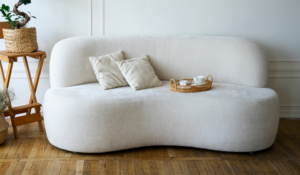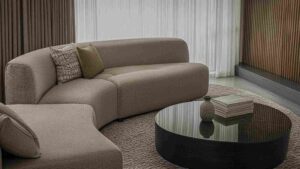
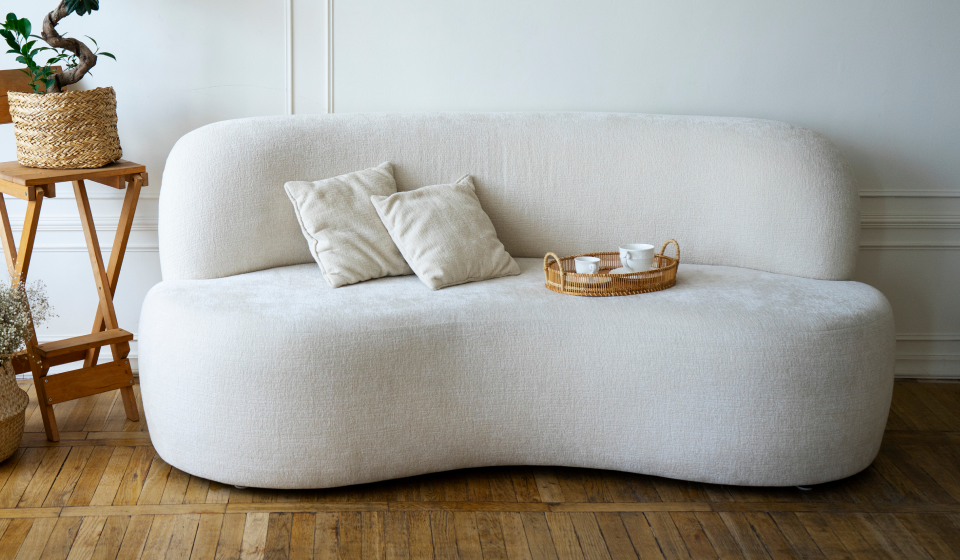
A sofa in a Perth home is one of the most important furniture investments. It is where families gather, guests relax, and everyday comfort begins. Choosing the right sofa can improve both the appearance and functionality of a living space, while the wrong choice may lead to discomfort, poor durability, or an awkward room layout. Understanding the most common mistakes before making a purchase can help ensure the sofa remains comfortable, stylish, and suitable for everyday living for many years.
Why Is It Important to Choose the Right Sofa
A sofa is often the centrepiece of the living room and receives daily use from family members and visitors alike. Because it is one of the most frequently used pieces of furniture, selecting the right one influences comfort, functionality, and the overall appearance of the home.
A carefully chosen sofa complements the room, supports everyday activities, and provides lasting value. On the other hand, buying without proper planning may result in limited comfort, poor durability, or furniture that does not fit the available space.
What Common Mistakes Should You Avoid When Buying a Sofa
Choosing Style Before Comfort
Many buyers are immediately attracted to modern designs, luxurious fabrics, or trending colours. While appearance is important, comfort should always come first.
A sofa that looks impressive in a showroom may not provide adequate support during everyday use. Seat depth, back height, cushion firmness, and armrest positioning all affect how comfortable the sofa feels over extended periods.
Ignoring Room Measurements
One of the most common mistakes is purchasing a sofa without measuring the available space. A sofa that is too large can overwhelm the room and restrict movement. A smaller sofa may leave the living area feeling incomplete or out of proportion. Before shopping, measure:
- Room width and length
- Doorways and hallways
- Ceiling height, if required
- Walkways around the furniture
- Existing furniture placement
It is equally important to visualise how the sofa will fit with coffee tables, entertainment units, and additional seating.
Not Considering Existing Interior Design
A sofa should complement the surrounding furniture rather than compete with it. Consider existing colour schemes, flooring, wall finishes, lighting, and decorative accessories before making a final decision. A cohesive design creates a balanced living space where every furniture piece works together.
For example, after positioning the sofa, adding suitable decor such as cushions, throws, and floor rugs beneath the seating area can help define the space while creating a warm and inviting atmosphere.
Overlooking Frame Quality
The appearance of a sofa only tells part of the story. The internal frame largely determines how long the furniture will last.
High-quality hardwood frames generally offer greater strength and stability compared to cheaper alternatives made from low-quality materials. A strong frame helps prevent sagging, creaking, or structural damage after years of regular use.
Checking construction quality before purchasing often saves significant repair or replacement costs later.
Ignoring Maintenance Requirements
Different sofa materials require different levels of care. Some fabrics need regular professional cleaning, while others can simply be wiped clean with a damp cloth. Leather requires occasional conditioning, whereas certain synthetic fabrics are designed for easier everyday maintenance.
Understanding the recommended cleaning routine before purchasing makes it easier to preserve the sofa’s appearance and extend its lifespan.
How Can the Right Sofa Improve Everyday Living
The right sofa delivers more than comfortable seating. It creates a welcoming environment for family gatherings, entertaining guests, and everyday relaxation. A carefully selected sofa can:
- Enhance the overall appearance of the living room.
- Provide lasting comfort for daily use.
- Improve room functionality and furniture arrangement.
- Offer reliable support for years of regular use.
- Complement both modern and traditional interiors.
- Increase long-term value through quality construction.
By considering comfort, quality, measurements, upholstery, and future needs, buyers can make a confident decision that continues to meet their expectations long after the purchase.
Conclusion
Buying a sofa is a significant investment that deserves careful planning. While attractive designs may immediately capture attention, factors such as comfort, size, construction quality, upholstery, and long-term durability should always guide the final decision. Taking the time to compare options, test different models, and evaluate practical requirements results in a purchase that combines style, function, and lasting value.
Frequently Asked Questions
What size sofa is best for a living room?
The ideal sofa size depends on the room dimensions, available walking space, and existing furniture layout.
Which sofa material is easiest to maintain?
Leather and many modern performance fabrics are generally easier to clean, although the best option depends on household needs and daily use.
Why is sofa frame quality important?
A durable frame improves structural stability, prevents sagging, and extends the overall lifespan of the furniture.
How can a sofa match existing furniture?
Choosing complementary colours, materials, and proportions helps create a balanced and visually appealing living space.
What should be measured before purchasing a sofa?
Room dimensions, doorways, walkways, and the intended furniture layout should all be measured to ensure the sofa fits comfortably within the space.A sofa in a Perth home is one of the most important furniture investments. It is where families gather, guests relax, and everyday comfort begins. Choosing the right sofa can improve both the appearance and functionality of a living space, while the wrong choice may lead to discomfort, poor durability, or an awkward room layout. Understanding the most common mistakes before making a purchase can help ensure the sofa remains comfortable, stylish, and suitable for everyday living for many years.
Why Is It Important to Choose the Right Sofa
A sofa is often the centrepiece of the living room and receives daily use from family members and visitors alike. Because it is one of the most frequently used pieces of furniture, selecting the right one influences comfort, functionality, and the overall appearance of the home.
A carefully chosen sofa complements the room, supports everyday activities, and provides lasting value. On the other hand, buying without proper planning may result in limited comfort, poor durability, or furniture that does not fit the available space.
What Common Mistakes Should You Avoid When Buying a Sofa
Choosing Style Before Comfort
Many buyers are immediately attracted to modern designs, luxurious fabrics, or trending colours. While appearance is important, comfort should always come first.
A sofa that looks impressive in a showroom may not provide adequate support during everyday use. Seat depth, back height, cushion firmness, and armrest positioning all affect how comfortable the sofa feels over extended periods.
Ignoring Room Measurements
One of the most common mistakes is purchasing a sofa without measuring the available space. A sofa that is too large can overwhelm the room and restrict movement. A smaller sofa may leave the living area feeling incomplete or out of proportion. Before shopping, measure:
- Room width and length
- Doorways and hallways
- Ceiling height, if required
- Walkways around the furniture
- Existing furniture placement
It is equally important to visualise how the sofa will fit with coffee tables, entertainment units, and additional seating.
Not Considering Existing Interior Design
A sofa should complement the surrounding furniture rather than compete with it. Consider existing colour schemes, flooring, wall finishes, lighting, and decorative accessories before making a final decision. A cohesive design creates a balanced living space where every furniture piece works together.
For example, after positioning the sofa, adding suitable decor such as cushions, throws, and floor rugs beneath the seating area can help define the space while creating a warm and inviting atmosphere.
Overlooking Frame Quality
The appearance of a sofa only tells part of the story. The internal frame largely determines how long the furniture will last.
High-quality hardwood frames generally offer greater strength and stability compared to cheaper alternatives made from low-quality materials. A strong frame helps prevent sagging, creaking, or structural damage after years of regular use.
Checking construction quality before purchasing often saves significant repair or replacement costs later.
Ignoring Maintenance Requirements
Different sofa materials require different levels of care. Some fabrics need regular professional cleaning, while others can simply be wiped clean with a damp cloth. Leather requires occasional conditioning, whereas certain synthetic fabrics are designed for easier everyday maintenance.
Understanding the recommended cleaning routine before purchasing makes it easier to preserve the sofa’s appearance and extend its lifespan.
How Can the Right Sofa Improve Everyday Living
The right sofa delivers more than comfortable seating. It creates a welcoming environment for family gatherings, entertaining guests, and everyday relaxation. A carefully selected sofa can:
- Enhance the overall appearance of the living room.
- Provide lasting comfort for daily use.
- Improve room functionality and furniture arrangement.
- Offer reliable support for years of regular use.
- Complement both modern and traditional interiors.
- Increase long-term value through quality construction.
By considering comfort, quality, measurements, upholstery, and future needs, buyers can make a confident decision that continues to meet their expectations long after the purchase.
Conclusion
Buying a sofa is a significant investment that deserves careful planning. While attractive designs may immediately capture attention, factors such as comfort, size, construction quality, upholstery, and long-term durability should always guide the final decision. Taking the time to compare options, test different models, and evaluate practical requirements results in a purchase that combines style, function, and lasting value.
Frequently Asked Questions
What size sofa is best for a living room?
The ideal sofa size depends on the room dimensions, available walking space, and existing furniture layout.
Which sofa material is easiest to maintain?
Leather and many modern performance fabrics are generally easier to clean, although the best option depends on household needs and daily use.
Why is sofa frame quality important?
A durable frame improves structural stability, prevents sagging, and extends the overall lifespan of the furniture.
How can a sofa match existing furniture?
Choosing complementary colours, materials, and proportions helps create a balanced and visually appealing living space.
What should be measured before purchasing a sofa?
Room dimensions, doorways, walkways, and the intended furniture layout should all be measured to ensure the sofa fits comfortably within the space.