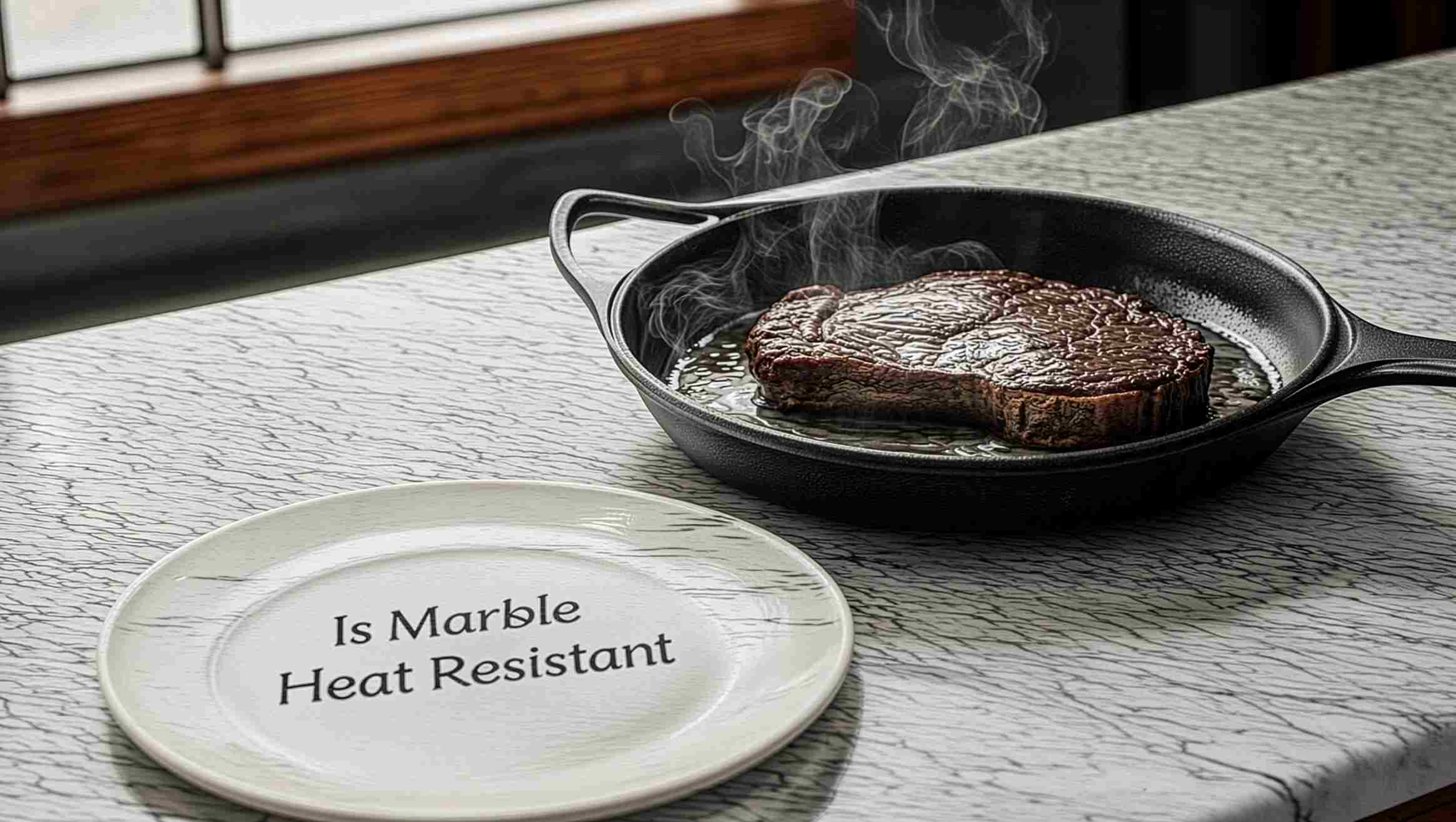
Marble has long been a symbol of elegance, but many homeowners wonder: is marble heat resistant enough for everyday use? Whether you’re planning a stylish kitchen or upgrading your bathroom, understanding how marble reacts to heat can save you from costly mistakes.
The truth is, marble can handle heat—but not in the way many people assume. While it’s formed under intense natural conditions, its performance in a modern home depends on how you use and care for it. That’s why this topic matters: choosing the wrong material for hot surfaces can lead to stains, cracks, or dull finishes.
In this guide, we’ll break down everything you need to know in simple, practical terms. By the end, you’ll feel confident deciding whether marble is the right choice for your home.
What Is Marble and How Is It Formed?
Marble is a natural stone created when limestone undergoes intense heat and pressure deep within the Earth. This transformation gives marble its smooth texture and beautiful veining patterns.
Key Characteristics of Marble
- Made from recrystallized limestone
- Contains minerals like calcite
- Naturally porous
- Known for its luxurious appearance
Because marble forms under high temperatures, many people assume it can easily withstand heat in daily life. But that assumption needs a closer look.
Is Marble Heat Resistant in Everyday Use?
Let’s answer the big question directly: is marble heat resistant in practical, real-life situations?
Yes, marble is moderately heat resistant. It can handle warm pots or hot dishes for short periods without immediate damage. However, it is not completely heat-proof.
What Marble Can Handle
- Warm plates and cups
- Brief contact with hot cookware
- Normal kitchen temperatures
What Marble Struggles With
- Extremely hot pots straight from the stove
- Prolonged heat exposure
- Sudden temperature changes
While marble won’t instantly burn or melt, repeated exposure to high heat can weaken its surface over time.
How Heat Affects Marble Surfaces
Even though is marble heat resistant has a “yes—but” answer, the effects of heat are worth understanding in detail.
Thermal Shock
Marble can crack if exposed to rapid temperature changes. For example, placing a very hot pan on a cool marble surface can create stress.
Surface Discoloration
High heat can cause dull spots or discoloration, especially on polished finishes.
Sealant Damage
Most marble surfaces are sealed. Heat can weaken or break down this protective layer, making the stone more vulnerable.
Marble vs Other Countertop Materials
If you’re comparing materials, knowing how marble stacks up helps answer is marble heat resistant more clearly.
Marble vs Granite
- Marble: Moderate heat resistance
- Granite: Higher heat resistance
- Winner: Granite
Marble vs Quartz
- Marble: Natural stone, handles heat better
- Quartz: Engineered, can be damaged by high heat
- Winner: Marble
Marble vs Concrete
- Marble: Elegant but sensitive
- Concrete: Durable and heat-tolerant
- Winner: Concrete
So while marble performs well, it’s not the top choice if extreme heat resistance is your priority.
Best Places to Use Marble in Your Home
Understanding where marble works best helps you make smarter decisions.
Ideal Areas
- Bathroom vanities
- Decorative wall panels
- Fireplace surrounds
- Low-heat kitchen zones
Areas to Be Careful
- Direct cooking zones
- Outdoor kitchens with high sun exposure
- Near ovens and stoves
This balanced approach ensures you enjoy marble’s beauty without risking damage.
Tips to Protect Marble from Heat Damage
Even though is marble heat resistant to some degree, proper care makes a huge difference.
Simple Protection Tips
- Always use trivets or heat pads
- Avoid placing hot pans directly on the surface
- Clean spills quickly to prevent stains
- Reseal marble regularly
Daily Habits That Help
- Use cutting boards instead of direct prep
- Keep hot appliances off marble surfaces
- Avoid sudden temperature changes
These small habits can extend the life of your marble for years.
Common Myths About Marble and Heat
Let’s clear up some confusion around is marble heat resistant.
Myth 1: Marble Is Completely Heatproof
False. It can handle heat, but not extreme or prolonged exposure.
Myth 2: Marble Never Cracks from Heat
False. Thermal shock can cause cracks.
Myth 3: You Don’t Need Protection
False. Trivets and pads are essential for long-term durability.
Understanding these myths helps you use marble more responsibly.
Does Marble Perform Well Outdoors?
Outdoor use adds another layer to the question: is marble heat resistant in extreme weather?
Challenges Outdoors
- Direct sunlight can heat surfaces significantly
- Temperature swings increase risk of cracks
- Weather exposure can weaken sealants
When It Works
- Covered patios
- Mild climates
- Decorative outdoor features
Marble outdoors requires extra care and planning.
Long-Term Durability of Marble Under Heat
Over time, repeated heat exposure can affect marble’s structure and appearance.
What Happens Over Years?
- Loss of shine
- Increased porosity
- Surface wear
Even though is marble heat resistant has a positive answer, durability depends heavily on maintenance.
FAQs
Frequently Asked Questions
Is marble heat resistant enough for kitchen countertops?
Yes, but it’s best to use trivets for hot pots to avoid damage.
Can I put a hot pan directly on marble?
It’s not recommended. Short contact may be fine, but repeated exposure can harm the surface.
Does heat stain marble?
Heat itself doesn’t stain, but it can damage the sealant, making stains more likely.
Is marble better than quartz for heat resistance?
Yes, marble generally handles heat better than quartz.
Can marble crack from heat?
Yes, especially due to sudden temperature changes.
Is marble safe near a stove?
It can be used near a stove, but protective measures are important.
Does sealing marble improve heat resistance?
Sealing protects against stains, but doesn’t significantly increase heat resistance.
Is marble good for fireplaces?
Yes, it works well for fireplace surrounds because it tolerates moderate heat.
Conclusion
So, is marble heat resistant? The honest answer is yes—but with limits. Marble can handle everyday warmth and occasional heat, making it a practical and beautiful choice for many parts of your home. However, it’s not invincible.
With a little care—like using trivets and avoiding extreme heat—you can enjoy marble’s timeless elegance without worry. In the end, marble isn’t just about durability; it’s about balance. When used wisely, it offers both beauty and performance that few materials can match.