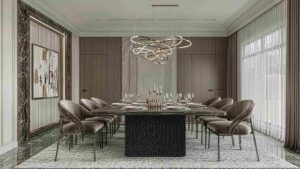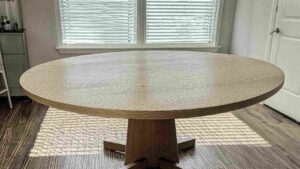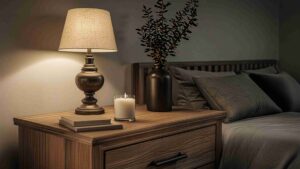
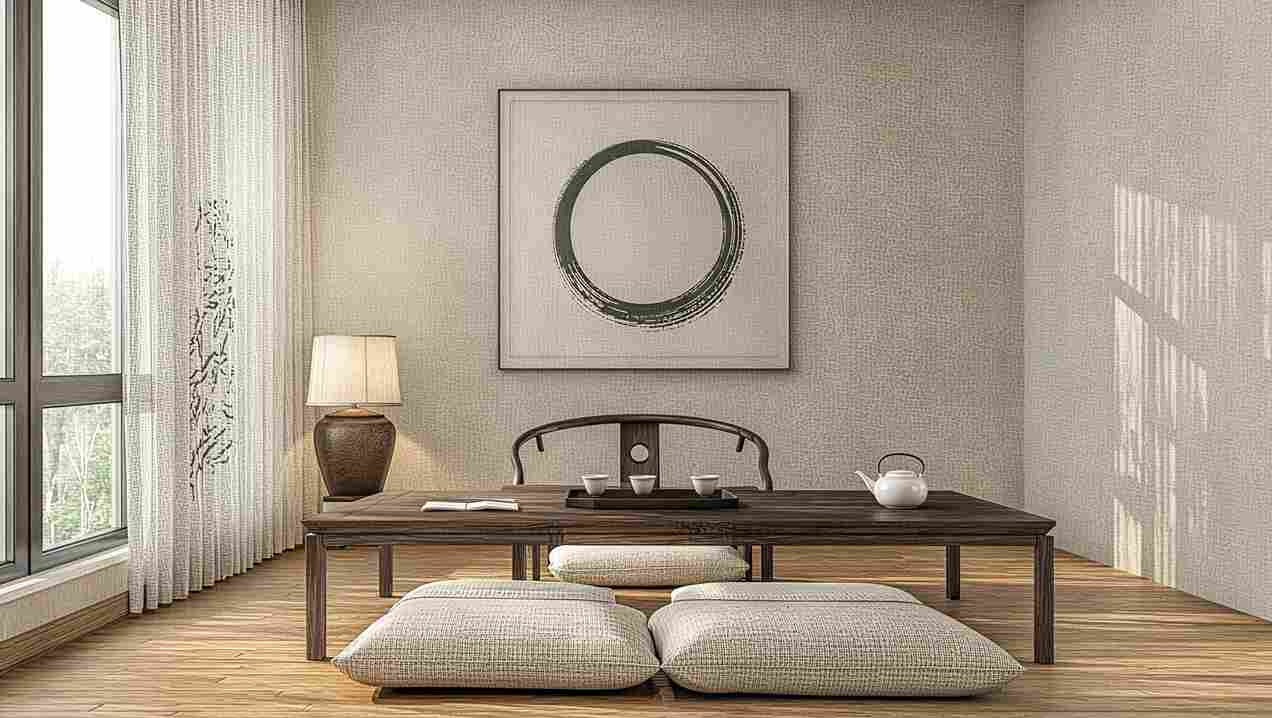
Imagine walking into a room that feels calm the moment you step inside. Soft lantern light glows in the corner. A carved wooden table tells a story of tradition. Red and gold details bring warmth and good fortune. Every piece feels meaningful.
That is the beauty of chinese interior design.
More than just a decorating style, chinese interior design is built around balance, harmony, and respect for nature. It combines beautiful furniture, symbolic colors, and thoughtful layouts to create spaces that feel peaceful and elegant. Whether you live in a small apartment or a large house, this timeless style can transform your home into a place that feels both cozy and refined.
What Is Chinese Interior Design?
Chinese interior design is a decorating style inspired by thousands of years of Chinese culture. It focuses on simplicity, natural materials, and meaningful details.
In traditional Chinese homes, every item has a purpose. Furniture is carefully placed. Colors symbolize emotions and blessings. Decorative objects are chosen to create balance and positive energy.
This design style often includes:
- Dark wood furniture
- Red and gold accents
- Silk fabrics
- Bamboo and paper elements
- Chinese calligraphy
- Porcelain vases
- Lantern lighting
The result is a home that feels graceful, warm, and deeply connected to history.
The Philosophy Behind Chinese Interior Design
At the heart of chinese interior design is the idea of harmony.
Chinese culture teaches that homes should support peace, health, and happiness. This belief is closely connected to the scientific concept of Feng Shui, which guides how rooms are arranged.
Yin and Yang
Yin and Yang represent opposite forces that work together:
- Light and dark
- Soft and hard
- Quiet and active
A well-designed room balances these elements.
The Five Elements
Traditional Chinese decorating also uses five natural elements:
- Wood
- Fire
- Earth
- Metal
- Water
Each element adds a different kind of energy to the home.
Key Characteristics of Chinese Interior Design
Symmetry and Balance
Many rooms are arranged evenly. Chairs may be placed on both sides of a table. Artwork is centered. This creates a sense of order and calm.
Natural Materials
Traditional homes use:
- Wood
- Stone
- Bamboo
- Silk
- Paper
These materials bring warmth and texture.
Minimal Clutter
Every item serves a purpose. Rooms feel open and clean instead of crowded.
Meaningful Decorations
Objects often symbolize luck, longevity, and prosperity.
Colors Used in Chinese Interior Design
Color plays a powerful role in chinese interior design.
Red
Red symbolizes happiness, celebration, and good luck.
Gold
Gold represents wealth and success.
Black
Black adds strength and sophistication.
Jade Green
Green symbolizes health and renewal.
White
White creates contrast and brings a clean look.
Traditional Chinese Furniture
Furniture is one of the most recognizable features of chinese interior design.
Ming-Style Furniture
Furniture from the Ming dynasty is known for elegant lines and exceptional craftsmanship.
Common pieces include:
- Low tables
- Cabinets
- Stools
- Daybeds
- Folding screens
Materials
Traditional furniture is often made from:
- Elm
- Rosewood
- Bamboo
Decorative Details
Many pieces feature:
- Hand carvings
- Brass hardware
- Lacquer finishes
Chinese Interior Design Living Room Ideas
The living room is a perfect place to showcase this style.
Use a Statement Wooden Table
A carved coffee table can become the centerpiece.
Add Red Accent Pillows
Small touches of red bring warmth and good fortune.
Display Chinese Art
Hang calligraphy, landscape paintings, or ink art.
Include Porcelain Vases
Blue-and-white ceramics add timeless beauty.
Chinese Interior Design for Bedrooms
Bedrooms should feel restful and balanced.
Choose Silk or Satin Bedding
Luxurious fabrics create elegance.
Use Soft Lighting
Paper lanterns and bedside lamps create a soothing glow.
Add Bamboo Plants
Bamboo symbolizes growth and resilience.
Keep Furniture Simple
Select a few meaningful pieces instead of overcrowding the room.
Chinese Kitchen and Dining Room Design
Dining areas are important in Chinese culture because they bring families together.
Round Dining Tables
Round tables symbolize unity.
Wooden Cabinets
Dark wood cabinetry adds traditional warmth.
Decorative China
Display beautiful tea sets and porcelain dishes.
Red Table Runners
These add a festive and welcoming touch.
Chinese Interior Design and Feng Shui
Feng Shui is often used with chinese interior design.
Simple Feng Shui ideas include:
- Keep entryways clean and inviting
- Let natural light flow into rooms
- Avoid clutter
- Use mirrors carefully
- Add healthy plants
These small changes can make a room feel more peaceful.
Popular Decorative Elements
Traditional decorations give a room cultural depth.
Chinese Lanterns
Lanterns create soft and inviting light.
Folding Screens
Screens add privacy and display intricate artwork.
Calligraphy Scrolls
Beautiful Chinese characters add meaning and elegance.
Dragon and Phoenix Motifs
These symbols represent power and harmony.
Porcelain and Ceramics
Decorative bowls and vases are timeless additions.
Modern Chinese Interior Design
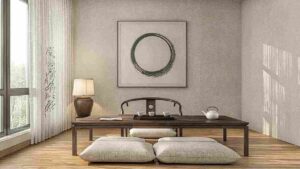
Modern homes often blend tradition with contemporary style.
This updated version of chinese interior design may include:
- Neutral walls
- Clean-lined furniture
- Minimal decorations
- Traditional artwork
- Natural materials
The result feels fresh while honoring cultural roots.
Small Apartment Chinese Interior Design Ideas
Even tiny spaces can embrace this style.
Use Multi-Functional Furniture
Storage benches and nesting tables save space.
Stick to a Simple Color Palette
Choose two or three key colors.
Hang Vertical Art
Scrolls and tall paintings draw the eye upward.
Add One Statement Piece
A carved cabinet or lantern can define the room.
Best Plants for Chinese Interior Design
Plants add life and symbolic meaning.
Popular choices include:
- Lucky bamboo
- Orchid
- Jade plant
- Bonsai
These plants fit beautifully into the natural feel of the design.
Fabrics and Textures
Textiles soften the strong lines of wooden furniture.
Common fabrics include:
- Silk
- Linen
- Cotton
- Brocade
Patterns may feature:
- Flowers
- Clouds
- Birds
- Mountains
Flooring and Wall Treatments
Wood Flooring
Dark hardwood floors are a classic choice.
Stone Tiles
Natural stone creates an earthy feel.
Rice Paper Panels
These provide soft texture and filtered light.
Painted Walls
Neutral walls allow furniture and art to stand out.
Lighting in Chinese Interior Design
Lighting should feel warm and gentle.
Popular options include:
- Red lanterns
- Paper pendant lights
- Wooden lamps
- Candle holders
Avoid harsh, overly bright lighting.
Chinese Interior Design for Entryways
The entry sets the tone for the entire home.
Ideas include:
- A console table
- A round mirror
- Fresh flowers
- Decorative lanterns
- A porcelain vase
A welcoming entrance encourages positive energy.
Budget-Friendly Chinese Decorating Ideas
You do not need a huge budget to enjoy chinese interior design.
Affordable updates include:
- Red throw pillows
- Bamboo shades
- Chinese prints
- Ceramic vases
- Paper lanterns
A few thoughtful pieces can make a big impact.
Common Mistakes to Avoid
When decorating, avoid these mistakes:
- Overcrowding the room
- Mixing too many colors
- Using cheap-looking imitations
- Ignoring balance
- Forgetting natural elements
Simplicity is part of the style’s beauty.
Why Chinese Interior Design Never Goes Out of Style
This design approach has lasted for centuries because it focuses on timeless values:
- Harmony
- Quality craftsmanship
- Meaningful decoration
- Natural beauty
- Emotional comfort
Homes designed this way feel peaceful and welcoming year after year.
How to Start with Chinese Interior Design
If you are new to this style, begin with these steps:
- Declutter your room.
- Choose a calm color palette.
- Add wooden furniture.
- Include one or two symbolic decorations.
- Use soft lighting.
- Bring in plants.
These simple changes can transform your space.
FAQ
What is chinese interior design?
Chinese interior design is a decorating style based on harmony, natural materials, symbolic colors, and traditional Chinese art and furniture.
What colors are most common in chinese interior design?
Red, gold, black, green, and neutral tones are the most commonly used colors.
Is Feng Shui required?
No, but many people use Feng Shui to create better balance and flow.
Can I use chinese interior design in a modern home?
Yes. Modern homes often combine minimalist furniture with traditional Chinese accents.
What wood is commonly used?
Elm, bamboo, and rosewood are popular choices.
Is this style expensive?
It can fit any budget. Start with affordable accessories like lanterns, artwork, and pillows.
What symbols are popular?
Dragons, phoenixes, bamboo, lotus flowers, and calligraphy are common decorative motifs.
What makes this style different from Japanese design?
Chinese interiors often use richer colors and more ornate details, while Japanese interiors tend to be more minimal.
Conclusion
A beautifully designed home should do more than look good. It should help you feel calm, comfortable, and inspired.
That is why chinese interior design continues to captivate homeowners around the world. With its rich history, meaningful symbols, and balanced layouts, this timeless style creates rooms that feel elegant and deeply peaceful.
Whether you add a carved wooden table, glowing lanterns, or a simple bamboo plant, you can bring the harmony and beauty of Chinese tradition into your own home.