Sustainable living is now a crucial element in designing a home, especially for both renters and owners who want a comfortable, efficient, and green home. Today’s interiors are evaluated not just for aesthetics but also for their design and application of resources, minimization of waste, and health benefits to the user. The sustainable design elements can have a significant impact on the overall attractiveness of rental properties and can lead to more functional and cost-effective facilities. Experts in property management in San Francisco say that adopting eco-friendly materials, interiors that tap into nature, and energy-efficient lighting can boost the appeal of rental properties and overall property values. When it comes to sustainable design, it doesn’t have to be a sacrifice between comfort and design. Instead, it encourages informed decisions that result in a more harmonious interior that’s functional for the modern lifestyle and environmentally friendly.
Five Sustainable Design Decisions That Improve Comfort and Responsibility
Source: Freepik
- Use Energy-Efficient Lighting and Natural Sources of Light
Professionals engaged in property management in San Jose suggest enhancing the interior appeal by using natural light and efficient lighting fixtures, as this improves the building’s energy efficiency and functionality and, consequently, its rental value.
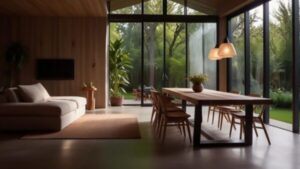
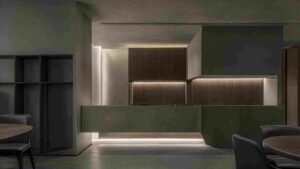
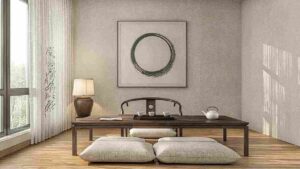
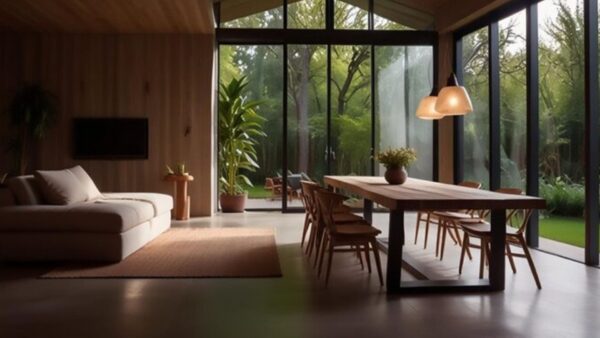
The spacious windows, the lightness of the materials, and the neutral color palette brighten up the house’s interior and enable natural light to permeate throughout. That way, less artificial light is needed these days, and more open and inviting spaces are created.
LED lighting systems also provide significant energy savings compared to traditional light bulbs and have a much longer lifespan. Use of natural and energy-efficient light helps to maintain comfortable lighting, reducing energy bills and the environmental impact.
Did you know?
One of the most expensive rental rates in San Jose is over $2,800 per month.
- Reduce Clutter By Minimizing, Organizing Materials, and Resources
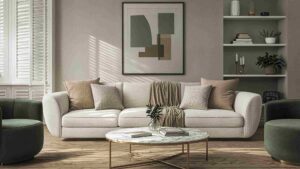
Sustainability, conscious consumption, and space usage go hand in hand. By using less, designers can focus more on creating high-quality objects, minimizing waste, and improving tidiness and organization. Designers can use fewer, more substantial objects, creating less waste and tidily organizing interior spaces.
The balanced storage and design, along with strategic decor choices, help prevent things from getting out of balance or getting messy. An uncluttered, open space also enhances functionality and visual comfort.
The planned design is more functional and quality-driven than trendy—it will be adaptable in the longer term. It’s a harmonious solution that takes into account, on the one hand, ecological issues, and on the other, the comfort of everyday use.
- Choose Furniture That Can Serve Several Functions, is Durable, and Will Last Long
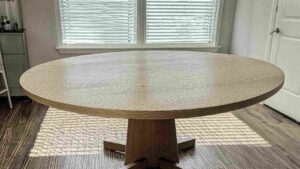
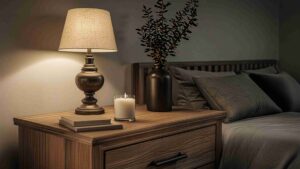
Furniture is an integral part of sustainable home design and is designed to be versatile and long-lasting. Efficient use of space and effective reduction of unnecessary use are achieved through the use of multifunctional furniture.
Beds that can be stored, extendable tables, foldable seating, and workstations that can be folded do not clutter the interior, helping to create flexible lifestyles. An investment in furniture that never goes out of fashion also means there is less need to alter furniture due to fashion changes.
Using high-quality, sustainable materials adds comfort and usability and provides a sustainable design solution for interior design.
Did you know?
The rental market in San Diego is one of the most competitive in California, and the average rent for apartments ranges from $ 2,400 to $ 3,200 per month.
- Connect With The Natural World in The City
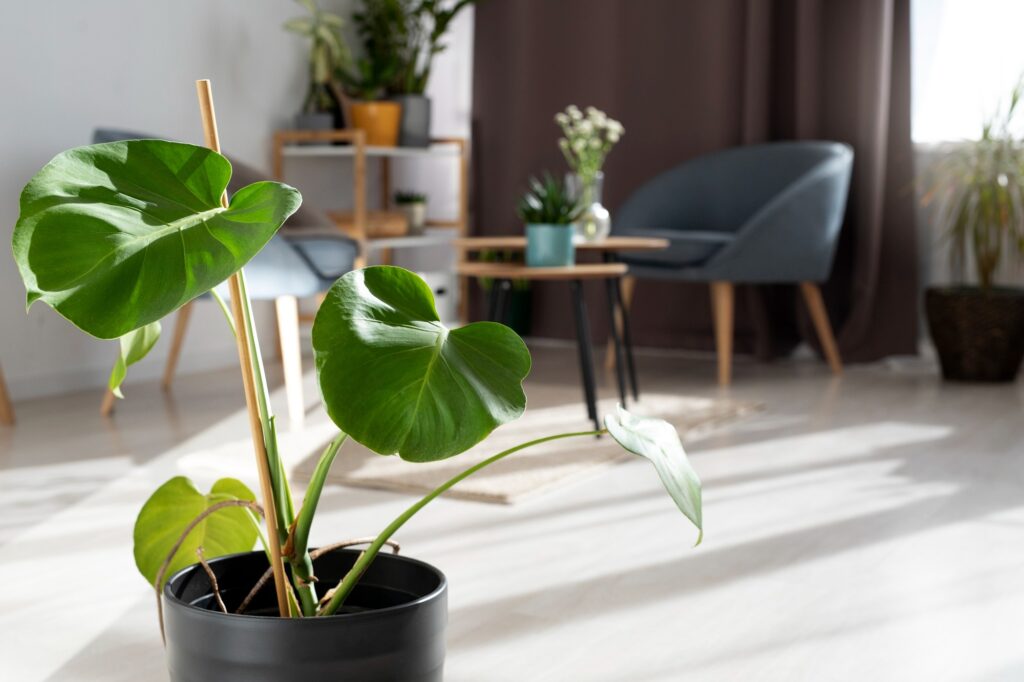
Biophilia design strengthens the inside/outside connection. Indoor plants, using natural textures, earthy colors, and organic shapes, create a calm, revitalizing, and harmonious interior environment.
The plants will purify the air, add freshness and softness to modern interiors. Wooden accents, woven textures, and stone-like finishes highlight the ties with nature.
This will aid emotional wellness and minimize overdecorating. The design features are inspired by nature, creating a more relaxed and timeless atmosphere and fostering healthier, more sustainable living environments.
- Use Materials That are Eco-Friendly and Sustainable
Choosing the right materials is one of the most crucial components of an interior design that will be sustainable. With bamboo, reclaimed wood, recycled metal, linen, and organics for warmer, more textured interiors, and to reduce the impact on the environment.
Durability is also an important consideration. Longevity of materials involves a decrease in the need for replacement of materials over time and reduced waste. Quality flooring, furniture, and finishes can create a more sustainable building and enhance interior design to be more timeless and aesthetically pleasing.
Sustainable materials can also help create a healthier home when applied all around the house, and when the materials are applied with lower-case paints.
End Point
All about sustainable home design is being comfortable, functional, and eco-friendly while making smart choices and focusing on efficiency, durability, and conscious living. Interiors can be both stylish and eco-conscious with the help of energy-efficient lighting, sustainable materials, flexible furniture, the incorporation of natural elements, and a streamlined design. The sustainable design choices bring about healthier and more desirable homes and communities in competitive markets that are conducive to modern living and generate environmental and economic value.